

Reddick Chase Strategy starts with a simple pressure point: the 2026 postseason rewarded drivers who could keep speed, judgment, and team rhythm together across ten races. At the start of The Chase presented by Mobil 1, Tyler Reddick was seeded No. 3, 35 points behind leader Denny Hamlin, according to NASCAR’s Chase preview. For riders and local racers, the lesson is not just about Cup Series points. It is about building a race plan that survives mistakes, changing track conditions, and the mental load that grows every time a result carries extra weight.
What Reddick Chase Strategy Teaches Racers
Reddick Chase Strategy Starts With Staying In It
The 2026 Chase format removed the old rhythm of round resets after every three races. RACER reported that there were no resets after every three races, putting more weight on consistent performance across all ten. Reddick described the change directly: “We just had the one reset (after Daytona), and … it is going to be so important to be consistent and mentally stay in it,” as covered by RACER’s Chase format analysis.
That comment matters for racers outside NASCAR because it shifts the target from one heroic ride to repeatable execution. A rider who wins one heat but burns up tires, misses a maintenance check, or lets frustration carry into the next moto has not built a postseason plan. Reddick’s approach, based on the reporting available through September 2026, points toward emotional control as a performance tool. Staying mentally present after a pit issue, restart loss, or handling swing keeps the next decision from being poisoned by the last one.
Consistency Is A Setup Choice
The value of Reddick Chase Strategy is that it treats consistency as something the whole team can prepare, not as a vague personality trait. Reddick’s regular season included a strong spring points position that shrank by summer after incidents, mechanical concerns, and pit-road issues noted in the research. That pattern is familiar in club racing. A fast machine can still lose ground through a loose routine, a missed torque check, poor pit communication, or an over-aggressive move made after a bad start.
As a gear and maintenance writer, I see this as the bridge between technique and preparation. The driver’s hands matter, but so do the crew’s checklists, the sleep plan, the warm-up sequence, and the way everyone speaks after something goes wrong. If the format offers no easy reset, the garage has to become the reset. That means calm debriefs, repeatable service windows, and a shared standard for what gets checked before the next run.
Track Position, Tire Life, And Clean Air
Starting Up Front Reduces Exposure
Reddick’s 2026 profile showed how valuable starting position can be. The research notes that starting up front became a tactical priority, including a Darlington pole-style start on September 5, 2026, after qualifying was canceled. The practical reason is clear: clean air, fewer mid-pack stack-ups, and better chances to gather stage points. For riders, the same principle applies to starts, gate choice, and the first lap. A clean launch can reduce roost, contact, and the need to overwork the machine while everyone else is fighting for the same line.
Still, track position is not the whole plan. The research on Kansas noted that leading the most laps had not often guaranteed the win in recent races, with late passes shaping outcomes. That point fits Reddick’s broader postseason challenge: speed early is useful, but speed late is often decisive. A rider who burns the rear tire chasing every opening in the first third of a race may have little left when the surface slicks off and the best passing lane moves.
Long Runs Reward Patient Inputs
Darlington is a strong example from Reddick’s 2026 season. He won there on March 22, 2026, from the pole and led 77 of 293 laps, while the research also notes brake and battery or alternator issues, a slow Stage 1 pit stop, and restart pressure. That is a lot for any driver to process while still protecting the car and reading tire falloff. The riding translation is steady throttle hand, early awareness of brake feel, and the discipline to avoid panic inputs after a poor stop or bad corner.
For a rider, Reddick Chase Strategy translates into a simple track habit: use the first laps to learn what the surface will give you, then save enough tire, brake, and focus to make the last laps count. That does not mean riding timidly. It means knowing which moves cost too much. If a pass forces you off the main groove, overheats the rear tire, or leaves the bike unsettled into the next braking zone, the gain may disappear two corners later.
Rest, Routine, And Crew Trust Under Pressure
Sleep Is Part Of The Setup
One of the more useful details in the research is Reddick’s off-track focus on sleep apnea. He addressed it with nightly CPAP use and tracked consistency through a ResMed app, according to the research notes. That is not a small lifestyle footnote. For racers, poor rest can show up as slower reaction, shorter temper, and weaker decision-making during long race days. A rider can have the right sprocket, tire, and suspension baseline and still give away performance if recovery is poor.
This is where community support matters. Families and crew members often notice fatigue before the racer admits it. They see the short answers, the skipped meal, the rush through warm-up, or the forgotten tool. A good support circle does not shame the athlete; it protects the athlete’s bandwidth. That may mean setting a lights-out time before race day, assigning one person to hydration and food, or keeping post-race feedback short until the rider has cooled down.
Crew Roles Keep Pressure From Spreading
Reddick’s postseason context also reminds smaller teams that pressure spreads quickly when jobs are unclear. If one person is trying to read lap times, check tire wear, answer family questions, and service the machine, mistakes become more likely. Clear roles help the driver or rider stay focused on the next session. For a deeper local-racing angle on that point, our piece on postseason performance plans connects calm prep with crew communication.
Community resources can help keep that support healthy beyond one garage. Related motorsports and sports-community coverage across the network, including insights from AP Levante, reinforces the same idea: racers perform better when the people around them understand the strain and the routine. The strongest teams are not always the biggest. They are often the ones that know who checks the chain, who watches fuel, who handles timing, and who gives the rider space after a tough finish.
How Local Riders Can Apply These Chase Lessons
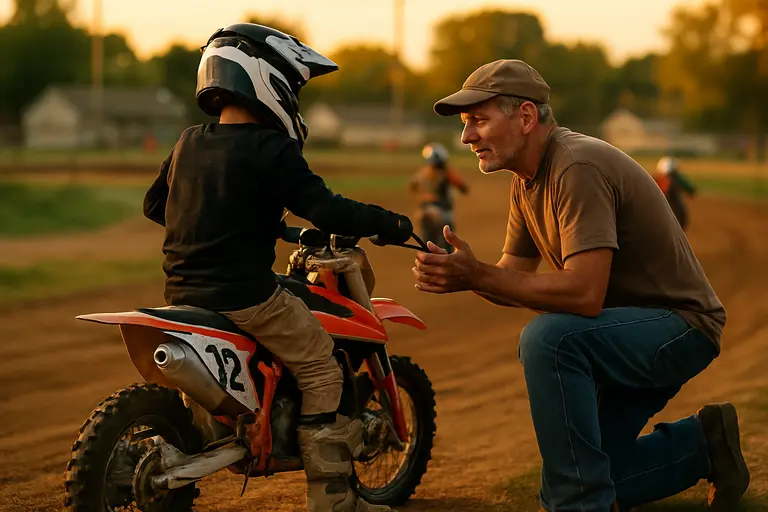
A Practical Prep Pattern For A Ten-Race Mindset
The strongest part of Reddick Chase Strategy for grassroots racers is its repeatability. You do not need a Cup garage to borrow the thinking. You need a routine that keeps the athlete steady, the machine predictable, and the crew aligned from the first practice to the last lap.
- Build one reset point after every session: Check tire wear, brake feel, chain tension, controls, and rider notes before emotions take over.
- Protect the first lap: Practice starts with the goal of clean placement, not just aggression. Avoid damage that ruins the full race.
- Save performance for late: Track where the tire fades, where braking points move, and where passing lanes improve as the surface changes.
- Assign crew jobs: Give timing, tools, hydration, and rider feedback to specific people so the racer is not carrying every task.
- Make rest visible: Treat sleep, meals, and downtime as part of the setup sheet, not as extras squeezed around wrench work.
Those habits fit a postseason race, a weekend motocross program, a karting event, or a club road race. The machine changes, but the pressure pattern is similar. Consistency is easier to protect when the team has already decided how it will respond to a bad start, a missed setup call, or a tense debrief.
Tyler Reddick Postseason Strategy For Racers
What Racers Can Carry Forward
The practical value of Reddick Chase Strategy is not that every rider should copy a NASCAR driver’s exact race craft. The value is seeing how a top-level postseason plan ties together format awareness, late-race strength, rest, team roles, and the ability to move past errors without turning one problem into three. Reddick entered the Chase close to the top of the seeding, with speed at tracks where he had already shown strength, but the format demanded more than speed.
For racers building their own postseason habits, the message is direct: prepare for the full distance. Set the bike or car up to be kind to tires. Keep rest and recovery in the plan. Let the crew carry defined jobs. Use early track position without letting it push you into low-percentage moves. Most of all, build a routine that helps the athlete stay mentally in the race after something goes wrong. That is where postseason performance often separates a fast entry from a steady contender.