

Corey Day Development has become a useful case study for racers who are trying to grow without losing the habits that got them noticed. On September 10, 2026, Day signed a long-term contract extension with Hendrick Motorsports, and the team said he would return full-time to the NASCAR O’Reilly Auto Parts Series in 2027 in the No. 17 HendrickCars.com Chevrolet while also running a limited NASCAR Cup Series schedule Hendrick Motorsports announced. That date matters because it gave structure to the next phase of his stock car growth.
For amateur racers, the value is not just in the headline. It is in the rhythm behind it: repeatable preparation, honest feedback, patient seat time, and a support group that helps a driver manage pressure. Day’s move from dirt racing into NASCAR competition is a reminder that talent still needs a plan, and that plan works best when the people around the racer understand the workload.
Corey Day Development And Long-Term Planning
Why The Contract Matters
A long-term commitment does not remove pressure, but it can organize it. Day officially signed with Hendrick Motorsports on December 6, 2024, as a developmental driver, according to the research notes. By October 6, 2026, his role had grown into a 2027 plan with full-time NASCAR O’Reilly Auto Parts Series racing and selected Cup starts. For a young racer, that type of structure can help split growth into stages rather than forcing every lesson to feel like a final exam.
That is where Corey Day Development connects with the club racer or local rider chasing progress after work. A racer may not have a national team, but the idea still applies: set a race calendar, define what each outing is meant to teach, and measure more than finishing position. A weekend can be used to improve restarts, tire care, braking references, communication with crew, or post-race notes. The goal is not to make pressure disappear. The goal is to give pressure a job.
What The Spire Cup Starts Add
Day’s 2027 Cup schedule is expected to run through Spire Motorsports for about five to six races because of charter limits at Hendrick, as RACER reported. That detail is practical, not just procedural. It shows how development often depends on available seats, team alliances, timing, and the patience to gain experience in the right setting.
For amateur racers, the lesson is simple: the best seat is not always the most glamorous one. Sometimes the smarter move is a class with reliable competition, a team that communicates well, or a track where learning can happen without unnecessary chaos. If the plan builds skill and confidence, it has value.
Building Skill Without Losing The Dirt Base
Corey Day Development Through Seat Time
Corey Day Development is tied closely to seat time. The research notes point to Day’s repeated focus on experience laps and adaptability across dirt, pavement, trucks, and Xfinity-style stock cars. His background included a heavy dirt schedule before full pavement competition, and he continued to keep dirt racing in the mix while building NASCAR credentials.
That blend matters because racers often learn fastest when they can compare sensations. Dirt racing can sharpen car control and reaction. Pavement racing asks for tire discipline, traffic patience, and small inputs over long runs. Different cars require different timing. A driver who respects those differences can carry useful lessons from one discipline into another without assuming every habit transfers perfectly.
Adaptability As A Daily Habit
Adaptability is not just something that happens after the green flag. It starts before the trailer door opens. A racer who is changing classes, tracks, or equipment needs a prep system that leaves room for learning. That means checking notes from the last event, asking clear questions, and resisting the urge to chase every setup change without a reason.
For riders and drivers at the amateur level, this is where maintenance habits support mental calm. A clean checklist, a torque routine, fresh hydration plan, and a simple notebook can reduce noise on race morning. If your bike, kart, or stock car is ready early, your mind has more room to process coaching, track conditions, and race flow.
Race-Life Lessons For Amateur Racers
Make Support Visible
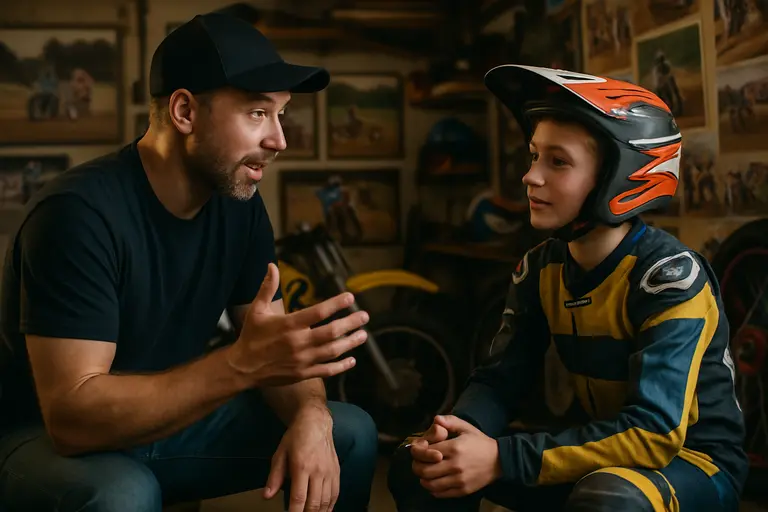
No racer develops alone. Behind every meaningful step there are people loading gear, spotting, cooking, driving, spotting errors in video, or offering a steady voice after a rough heat. Day’s move through a formal development structure gives grassroots teams a chance to look at their own structure, even if it is just family and friends under a pop-up tent.
A good support group does not need to be large. It needs to be clear. Who checks tire pressures? Who handles fuel? Who records lap notes? Who gives feedback first after the race? The answers reduce confusion and protect relationships. Racing already carries enough emotion; roles keep the garage from turning every mistake into a debate.
- Set one learning target: Pick a skill for the event, such as corner entry, starts, or traffic management.
- Assign support roles: Give each helper one clear job so race morning stays calm.
- Review without blame: Talk through what happened, what was learned, and what gets changed next.
- Protect recovery time: Schedule food, sleep, and family time with the same respect as practice.
Plan The Week Before Loading
The week before a race often decides how the weekend feels. Amateur racers balancing work, school, family, and training cannot afford a last-minute scramble every time. Day’s national-level growth is different in scale, but the discipline behind it still speaks to anyone with a trailer in the driveway and a full calendar on the fridge.
For more on the team side of Day’s progress, this related breakdown of how team support shaped Day’s rise connects well with the lifestyle demands racers face away from the track. Community also matters outside motorsports. Readers who value local sports spaces can find another same-network example through Copeland Hills Golf, where recreation and connection sit at the center of the experience.
Corey Day Development And Community Buy-In
Corey Day Development is not only about moving up a ladder. It is about building a system where the racer, team, partners, and support circle share the same direction. The official 2027 plan gave Day a defined path: full-time NASCAR O’Reilly Auto Parts Series racing with selected Cup races. The human side is the steady work required to make that path productive.
Amateur racers can borrow that mindset without copying the scale. Start with the people already beside you. Thank the friend who helps strap down the car. Give your partner the schedule early. Let your crew know what kind of feedback helps and what kind shuts you down. Keep your equipment ready enough that your helpers are not always rescuing the weekend.
The strongest lesson from Day’s current stage is that development is shared work. Contracts, cars, and race entries matter, but so do habits repeated in quiet moments: the notes after practice, the honest reset after a poor finish, the call home, the meal before the drive, and the discipline to learn from each start. That is where long-term racing growth becomes more than a headline.