
TPG 250 Bike Prep is best treated as a week-long maintenance plan, not a rushed garage session the night before Talladega. With October 20, 2026 as the publication date, this piece looks back at the Talladega race-week setting as a completed preparation case, using the supported maintenance steps from the research rather than presenting the event as something still ahead. The key lesson is simple: a fast venue punishes small mechanical mistakes, and a rider who has already checked tires, brakes, drivetrain, bolts, electronics, and spares can focus more energy on riding well.
The research note identifies Talladega Superspeedway as a 2.66-mile oval, which makes reliability a major theme for any bike prepared around that environment. Even if your own event is shorter, slower, or held on a different surface, the same service rhythm applies. As a maintenance writer, I care less about shiny parts and more about repeatable checks that racers, family helpers, and local shop mechanics can perform without panic.
TPG 250 Bike Prep Timeline That Worked
The strongest maintenance plans start early enough to leave room for a correction ride. One week out, the supported recommendation is to schedule a full service with a trusted bike shop, replace worn items such as tires, brake pads, or chain as needed, then take a longer training ride to confirm the setup feels settled; that timing aligns with published pre-race maintenance timing. For TPG 250 Bike Prep, that week-out window is where most of the heavy decisions belong. If a chain is stretched, a tire is cut, or brake pads are near the end of their life, the rider still has time to fix it and ride the bike before race day.
One Week Out: Service Before Stress Builds
A trusted shop visit is not a replacement for rider awareness. It is a chance to put trained eyes on the parts most likely to create trouble under load. Ask for tire condition, wheel trueness, chain wear, brake pad life, cable condition, and bearing play to be checked. If anything is replaced, ride the bike after the service. A parking-lot spin is not enough for every issue. A longer test ride gives the drivetrain, saddle position, braking feel, and cockpit setup time to reveal problems while there is still a calm path to a fix.
This is also where community support matters. Many racers depend on family members, teammates, or shop friends to help with transportation, meals, and parts pickup. Clear assignments reduce friction. One person can confirm the tool roll, another can charge electronics, while the rider handles fit and feel. Good preparation is a shared habit, not just a private checklist.
Three To Five Days Out: Drivetrain And Shifting
Three to five days before the event, the supported steps are to clean and lube the drivetrain and cassette, check shifting through all gears, and adjust derailleurs or replace worn cables where needed; the same source also supports charging electronics the day before and doing final tire, bolt, brake, shifting, spoke, and wheel-rub checks on race morning in a race-day bike check. This middle window is ideal because it is close enough for conditions to matter but early enough that a shifting issue does not become a race-morning argument.
Use a chain-wear gauge rather than guessing. The research supports replacing chains at roughly 0.75 to 1 percent wear to help protect the cassette. Clean the chain and cassette before applying lube, then select lube based on expected dry or wet conditions. After that, shift under light load and then moderate load. Hesitation, skipping, or noise should be handled before the bike is packed.
Critical Systems To Check Before Talladega
A race-ready bike is built from ordinary checks done in the right order. Tires, wheels, brakes, fasteners, and bearings deserve extra attention because they affect both speed and safety. The research calls for inspecting tires for cuts, embedded debris, bulging, or worn tread. If the setup is tubeless, top up sealant. Wheels should run true, and spokes should feel properly tight rather than loose or uneven.
Tires, Wheels, And Brake Feel
Before any Talladega-style effort, tire pressure should be set with a gauge, not by thumb feel. Inspect the full tread and sidewall, rotating the wheel slowly so cuts and debris are not missed. Spin each wheel in the frame and fork to listen for brake rub and watch for side-to-side wobble. A wheel that is badly out of true or has loose spokes needs attention before the bike is ridden hard.
Brake checks should be just as direct. The research supports replacing pads if they are at or below the minimum thickness range of about 2.5 to 3 millimeters including backing plate for many brands, confirming firm lever feel, and keeping rotors clean and not overly grooved. Do not wait until the final morning to discover a soft lever or contaminated pad. A rider’s confidence often comes from knowing the bike will slow predictably every time.
Bolts, Bearings, And Cockpit Setup
Fasteners are small, but they set the tone for the whole build. Check stem, handlebar, seatpost, crank, pedal, and bottle-cage bolts to the correct torque. The research also supports checking for play or looseness in the headset, hubs, and bottom bracket. A clicking bottom bracket may not end a ride, but a loose cockpit or crank can create a serious problem.
Cockpit setup deserves a practical review. Power cycle the bike computer, lights if used, electronic shifters, and power meter. Confirm mounts are secure. Bottles and nutrition should be reachable while riding, because a setup that works in the garage can still feel awkward at speed. Riders balancing work, family, and race prep benefit from doing this check in daylight and with enough time to think clearly.
Packing, People, And Calm Race-Day Habits
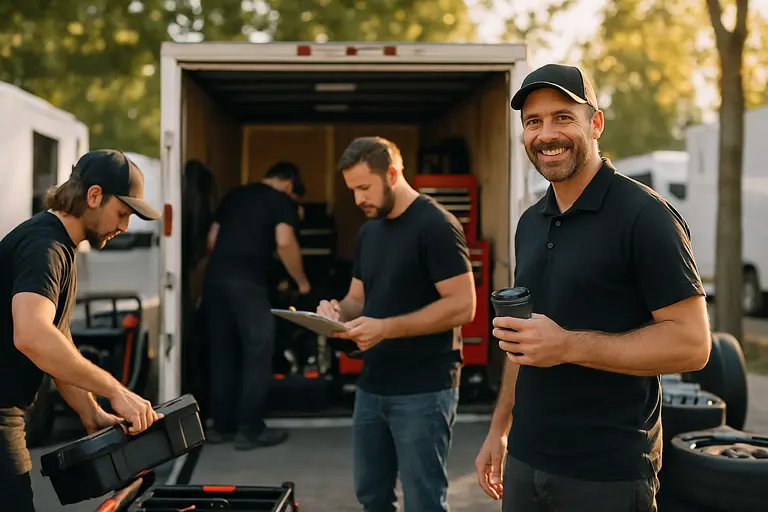
Gear packing is where many racers either protect their hard work or undo it. The research supports carrying spare inner tubes, tire levers, a mini pump or CO₂ inflator, a multi-tool, and a quick-link or chain connector. Even where neutral support exists, self-sufficiency matters because the first response to a problem often comes from the rider or their own support circle.
- Repair basics: tube or tubes, levers, inflation, multi-tool, quick-link, and any small part specific to the bike.
- Electronics: charged shifters, power meter, bike computer, and lights if used.
- Contact points: shoes, pedals, saddle position, bar tape or grips, and bottle access.
- Post-service ride: a 15- to 20-minute shakedown to test brakes, shifting, fit, and comfort after changes.
That packing list is not just mechanical. It reduces mental load. A racer with a prepared bag and a known bike can spend the morning checking in with family, thanking helpers, and staying calm. Reflecting the same supportive atmosphere in broader sporting communities, Dashers Hockey embodies a shared culture that maintains athlete connections beyond any single event.
If your race crew is new, keep instructions simple. One person should not be responsible for every tool, bottle, and reminder. Share the plan in plain language: who loads the bike, who confirms the pump, who keeps the checklist, and who gives the rider space after the event. Similar service discipline shows up across motorsports; our notes on Road Atlanta bike prep lessons carry the same message about timing, crew flow, and not saving basic maintenance for the last minute.
TPG 250 Bike Prep Race-Morning Checks
Race morning should be short and repeatable. Check tire pressure, bolts, brakes, and shifting. Spin both wheels to verify there is no rubbing and no obvious spoke issue. Squeeze the brakes, shift across the range, and look over the frame and cockpit for anything that moved in transport. Do not install a new saddle, new rims, or unfamiliar components this late. The day before is already late for major changes; race morning should be reserved for confirmation.
TPG 250 Bike Prep Before Talladega
Good TPG 250 Bike Prep protects the rider’s effort and respects the people helping behind the scenes. The strongest pattern is early service, midweek drivetrain cleaning, a day-before electronics and spares check, then a calm race-morning safety scan. That rhythm gives the rider time to adapt, gives helpers clear jobs, and gives the bike a better chance to perform without drama.
The maintenance lesson from Talladega is not that every rider needs the same parts. It is that every rider needs a plan they can repeat. Tires should be inspected, brakes should feel firm, the chain should be measured, bolts should be torqued, bearings should be checked for play, and the repair kit should be packed before nerves take over. That is how a racer turns preparation into confidence, and how a small crew turns a demanding event setting into a shared, manageable task.