
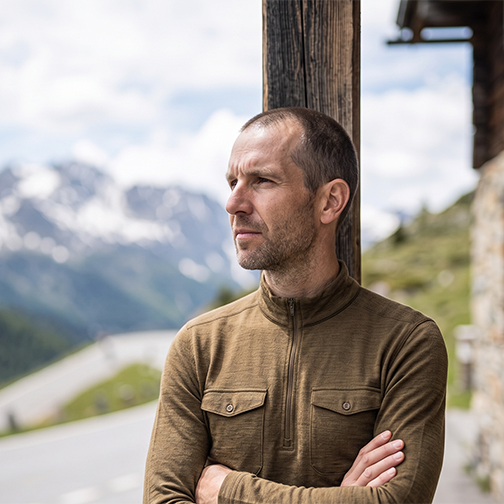
MotoAmerica Mental Health became a visible paddock conversation after the 14-Day Brave Space Challenge ran from October 10 through October 23, 2026. Launched on World Mental Health Day, the campaign asked racers, crews, officials, sponsors, volunteers, and fans to wear a shirt backward for at least one day, explain why, and start honest conversations about mental health, addiction, trauma, suicide, healing, or recovery.
That kind of ask fits racing because the paddock already runs on shared effort. A rider may be the one on track, but no racer gets through a weekend alone. Mechanics, family members, team staff, friends, and volunteers all carry pieces of the load. The Brave Space Challenge put that same team spirit toward a subject many people still struggle to name out loud.
The campaign also supported the Remix Recovery Treatment Access Fund, which assists people who cannot afford mental health or addiction treatment. That matters because awareness without access can leave people feeling seen but still stuck. The supplied campaign notes do not list participation totals or dollars raised, so it is better to keep the focus on what is confirmed: the effort created a simple public signal, tied it to conversation, and connected it to treatment access.
What MotoAmerica Mental Health Asked Of The Paddock
MotoAmerica Mental Health And A Simple Visible Act
The backward shirt idea worked because it did not require a podium, a press conference, or a perfect speech. It gave people a plain opening: “Here is why I am wearing this today.” From there, the conversation could move toward stress, recovery, grief, addiction, or the pressure that often sits behind competition.
MotoAmerica Mental Health support during the challenge included public backing from Mathew Scholtz, Corey Alexander, Jasmine Noelle, and Jeremy Taubman, according to the supplied campaign details. The notes identify Scholtz as #11 and a three-time champion, Alexander as #23, 2022 Stock 1000 champion and team manager, Noelle as #711 and 2026 Royal Enfield Build.Train.Race. champion, and Taubman as #417, an MSP Mission Super Hooligan National Championship rider and co-founder of Remix Racing Project.
Names matter here, but not because fans should place all responsibility on visible athletes. Their involvement helps give permission to a wider group. A young racer may hear a champion speak about stigma and feel less isolated. A mechanic may recognize that burnout is not weakness. A parent may find a better way to check in after a rough race. That is how a campaign moves from a social gesture into paddock behavior.
From Awareness To Treatment Access
The Remix Recovery Treatment Access Fund gave the challenge a practical purpose beyond conversation. In motorsports, people understand the cost of doing things right. Tires, travel, entry fees, fuel, food, lodging, and parts can squeeze a family or small team. Mental health and addiction treatment can carry its own financial weight. Connecting the Brave Space Challenge to treatment access made the message more grounded: speak up, reduce stigma, and help remove a barrier for someone who needs care.
That message also connects with work already shared on this site about Brave Space support habits. The common thread is not a slogan. It is the daily habit of noticing people, asking better questions, and respecting privacy when someone is not ready to share every detail.
Race-Day Support That Racers Can Feel
Small Habits Before The Helmet Goes On
Race weekends move fast. Warm-up, grid calls, tire choices, repairs, meals, and travel plans can eat up the day. That pace is part of the sport, but it can also leave racers with little room to reset. The Brave Space Challenge gave the community a reminder that support is not only what happens after a crash or a bad result. It starts before the helmet goes on.
For families and crews, a helpful check-in does not need to become a lecture. A short question can work: “Do you need quiet, a task list, or someone to talk to?” That gives the racer a choice. It also keeps supporters from guessing wrong. Some athletes settle by talking. Others need five minutes away from noise. Some want practical help, such as fuel, hydration, food, or a clean space in the pit. None of those needs are dramatic, but meeting them can lower pressure.
- Set one private check-in window: choose a calm time before the day gets crowded.
- Separate performance from worth: talk about the session without turning the result into a judgment of the person.
- Assign practical roles: let one person handle meals, one handle tools, and one handle schedule reminders.
- Protect recovery time: after a hard session, give the rider a chance to breathe before advice starts.
Why Crews Need Support Too
The paddock support system includes more than the rider. Crew members can carry stress, guilt, fatigue, and money pressure. Team managers may be thinking about safety, performance, travel, sponsors, and morale at the same time. Volunteers and officials may be helping riders through difficult moments while managing their own emotional load.
A community-minded race team can treat support as a shared responsibility. That might mean using clear roles, avoiding blame after mistakes, and making sure the person who always helps everyone else also has someone checking on them. The strongest paddock culture is not the one where nobody struggles. It is the one where people can struggle without being pushed outside the circle.
For readers with an interest in outdoor and sporting communities beyond road racing, the site Texas Sportsmen provides insight into how strong recreational cultures thrive through safety, responsibility, and care for each other.
Safety, Care, And The Wider Racing Picture
Physical Protection And Mental Load
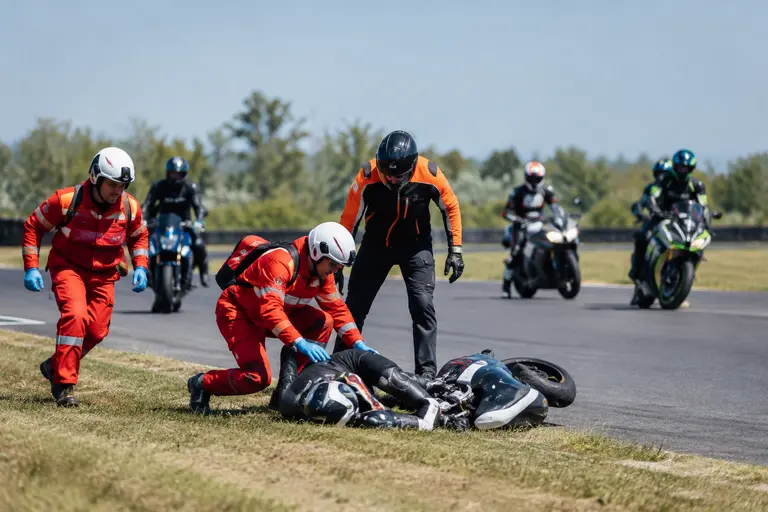
Racer well-being is not one subject. It includes the body, the mind, and the people who help an athlete return home. A PubMed-indexed longitudinal assessment reported increased adoption of protective equipment in MotoAmerica, including airbag suits and rotation-protective helmets, and stated that crashes resulting in injury dropped from 16% in 2024 to 8% in 2025 after airbag suits were required in all classes PubMed study.
That safety data is not the same as mental health data, and it should not be treated as proof that one campaign caused another outcome. Still, it shows a wider point that racing communities understand well: protection is not a sign of fear. It is a sign that people want athletes to keep competing, working, and living with less avoidable harm.
The same thinking can apply to emotional support. A racer who talks with a trusted professional, uses a peer support space, or tells a crew member they are not okay is not stepping away from toughness. They are using another form of preparation. The July 10–12, 2026 “Motorcycles & Mental Health” activation at WeatherTech Raceway Laguna Seca, described in the supplied notes, fit that idea by placing a Brave Space Lounge, a Resource Wall, and access to behavioral health professionals inside the MotoAmerica Fan Zone.
National Numbers Behind Local Conversations
The national context is sobering. In 2024, 48,824 Americans died by suicide, and the age-adjusted suicide rate was 13.7 per 100,000 people, according to CDC FastStats CDC data. The supplied research also states that 23.4% of U.S. adults, about 61.5 million people, experienced any mental illness in 2024, while 5.6%, about 14.6 million, had serious mental illness.
Those numbers are not racing statistics, and we should not pretend they describe the paddock by themselves. They do show why motorsports communities cannot treat mental health as someone else’s issue. Racers, crew members, parents, sponsors, and fans all come from the same country reflected in those figures. Some arrive at the track carrying worries that never show up on timing sheets.
MotoAmerica Mental Health As Shared Responsibility
MotoAmerica Mental Health awareness after the 14-Day Brave Space Challenge is best measured in habits, not hype. Did someone check on a teammate without making it public? Did a family member learn to listen before giving advice? Did a rider feel less ashamed about asking for help? Those are the kinds of changes that fit the racing life because they happen in garages, trailers, hotel rooms, and long drives home.
The Brave Space Challenge did not ask the paddock to solve every mental health problem in two weeks. It asked people to break silence in a visible, human way from October 10 through October 23, 2026. That matters. Racing has always depended on trust: trust in equipment, trust in preparation, trust in the person holding the pit board, and trust in the people who show up after a difficult day.
The work now is simple to describe and harder to practice: keep the door open. Talk without forcing a confession. Share resources without shaming anyone. Respect that healing and recovery are personal. In a sport built on courage, one of the bravest acts may be telling the truth before the pressure becomes too heavy to carry alone.