

When Belmont Park’s grandstand reopened on September 18, 2026, the attention was not only on the building. The racing surfaces mattered just as much. Belmont Surface Maintenance became a useful case study for any amateur racer who has had to adapt to a repaved bullring, a resurfaced kart track, a fresh motocross section, or a club circuit after repairs. The lesson is not to copy horse racing equipment. The lesson is to copy the habit: inspect early, measure what matters, let the surface settle, and make crew decisions from evidence instead of guesswork.
That approach fits the rider lifestyle because every racer has felt the difference between a track that looks ready and a track that feels ready. A new surface can change grip, braking markers, moisture behavior, and confidence. Belmont Park’s rebuild gave racers outside horse racing a clear reminder that the first sessions after a surface change are part of the work, not a break from it.
Belmont Surface Maintenance After September 18
Tapeta Track Opened In Stages
The synthetic Tapeta track did not simply appear on a race day and get treated as familiar ground. NYRA reported that the Tapeta surface had passed inspection by its manufacturer and safety personnel, including Dr. Mick Peterson, Director of the Racetrack Safety Program, by late May 2026. It then opened for light galloping and jogging on Mondays and Tuesdays starting June 29, 2026, before the grandstand reopening later on September 18, 2026 NYRA track update.
For amateur racers, that staged opening is the key detail. A fresh surface deserves a low-pressure first read. On two wheels, that might mean easy sighting laps, tire-temperature notes, and a rider debrief before anyone starts chasing lap time. In karting or track-day cars, it can mean short first runs and a crew member watching where rubber, dust, or damp patches collect. Belmont Surface Maintenance shows the value of making the first contact controlled rather than emotional.
Dirt And Turf Needed Different Care
Belmont Park’s new main dirt track was built with a limestone base topped by a clay pad beneath the racing surface, using techniques associated with Saratoga Race Course to support resilience across a wide range of weather. The two renovated turf courses, the Inner and Widener, were planted with Kentucky Bluegrass in October 2025 and were allowed to root for months. By late July 2026, NYRA described the turf as having had substantial time to root, and by mid-August the turf was deemed ready for training.
The motorsports parallel is direct: dirt, asphalt, grass paddocks, and synthetic or sealed surfaces do not age the same way. A rider who treats every surface change as the same problem misses the point. New dirt needs moisture awareness and compaction awareness. Fresh pavement can have changing grip as rubber builds. A repaired pit lane can gather dust where transporters cross. The maintenance mindset starts by naming the surface honestly.
What Changed Across The Three Surfaces
Water Management Became A Major Part Of The Story
Equibase reported that the rebuilt Belmont Park system included a 15-million-gallon infield pond and six 125-horsepower pumps supporting the turf and synthetic surfaces. The same report said watering that previously took about five hours could be completed in about one hour after the upgrades Equibase construction report.
That fact matters because moisture is never just a groundskeeper issue. It changes how athletes prepare. In powersports, a damp morning session, a drying line, or a fast-changing motocross rut can shift the way a rider brakes, turns, and trusts the front end. Fast watering at Belmont was a facility-level upgrade, but the club-racing lesson is smaller and practical: track condition notes should sit beside tire pressure, suspension clickers, fuel load, and rider feedback.
Belmont Surface Maintenance Lessons For Club Racers
Belmont Surface Maintenance also points to a community habit that every local paddock can use. Do not leave surface reading to one person. Riders, mechanics, volunteers, corner workers, and event staff all see different clues. A rider feels chatter. A mechanic sees tire pickup. A marshal sees dust or moisture collecting in the same place every session. A paddock that shares those observations is safer and more prepared than a paddock where everyone works alone.
That is why maintenance talk should not stay locked in the trailer. If your group is already building better routines, pair this Belmont example with practical local habits from Maryland track maintenance tips. The common thread is simple: surfaces change, but preparation improves when the whole crew pays attention.
Race-Day Habits From Belmont Surface Maintenance
Build A Surface Log
The most useful amateur takeaway is a written surface log. It does not need to be fancy. A shared notebook or phone document can track the basics: weather, session time, tire choice, pressure, rider comment, visible dust, damp areas, and any change in braking or corner entry. Belmont Surface Maintenance reminds us that surface work is a record-keeping job as much as a physical job.
For a weekend racer balancing work, family, and limited practice time, that log can prevent repeated mistakes. If the first session after a repave felt greasy, write it down. If the track gained grip after two sessions, write it down. If a specific corner stayed dirty after lunch, write it down. The next race day starts with better information, and that helps the racer spend more energy on rhythm instead of worry.
Use A Simple Crew Checklist
A small team can adapt the Belmont-style mindset without special equipment. The best version is consistent and easy to repeat:
- Walk or observe the surface early: Look for dust, moisture, patches, seams, loose material, and areas where vehicles cross the racing line.
- Start with controlled pace: Use the opening laps to feel grip and braking stability before pushing.
- Record rider feedback right away: Capture comments before adrenaline turns details into general feelings.
- Compare tires or contact patches: Check for unusual pickup, tearing, staining, or heat patterns.
- Share what you learn: Keep the paddock conversation useful, calm, and based on what riders and crews actually observed.
For readers interested in other sports, our network also features sites like NBA Playbook, offering insights into different athletic disciplines while maintaining a strong focus on systematic preparation. The principle here remains focused on track life: disciplined prep gives athletes a better chance to perform with a clear head.
Crew Discipline For Amateur Racers
Protect The Racer From Guesswork
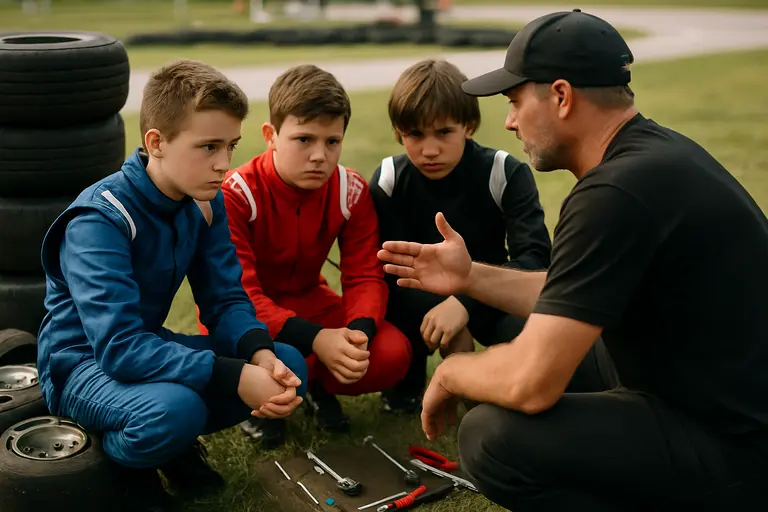
New surfaces can tempt racers into overreacting. One slide becomes a suspension change. One slow lap becomes a tire panic. One dusty corner becomes a story that grows all afternoon. A steady crew protects the racer from that spiral by separating repeatable signs from one-off moments. Belmont’s phased surface work is a good reminder that patience is part of performance.
In amateur motorsports, that patience also protects family time and budgets. Many riders are loading trailers after work, fixing machines late at night, and asking friends or relatives to help in the pits. A clear maintenance process keeps those helpers from chasing random fixes. It gives every person a role: one watches the surface, one tracks pressures, one listens to the rider, and one keeps the schedule moving.
Make Community Feedback Useful
A healthy paddock shares surface information without turning it into rumor. Say what you saw. Say where you saw it. Say during which session it happened. Avoid claims that cannot be checked. If a corner looks dusty, that is useful. If a rider says the front felt vague on entry, that is useful. If nobody knows whether a patch changed during the day, say that uncertainty clearly.
That communication style builds trust. It also makes newer racers feel included. A first-year rider may not know how to describe a changing surface, but they can learn when experienced racers explain what they are watching. Belmont Surface Maintenance offers a bigger-stage example of the same culture: readiness comes from shared observation, not bravado.
What Belmont Teaches Club Racers
The September 18, 2026 reopening gave Belmont Park a public milestone, but the maintenance lesson started months earlier with inspection, rooting time, training access, and water-management planning. For club racers, the message is practical: respect the first day on a new surface, slow the opening read, write down what changes, and let the crew work from facts.
Belmont Surface Maintenance is not only a horse racing story. It is a reminder for anyone who races on a changing track that preparation is part of the athlete’s life. The racer who listens to the surface, leans on the crew, and shares useful notes with the community is better equipped for the next session, the next event, and the next rebuild.