
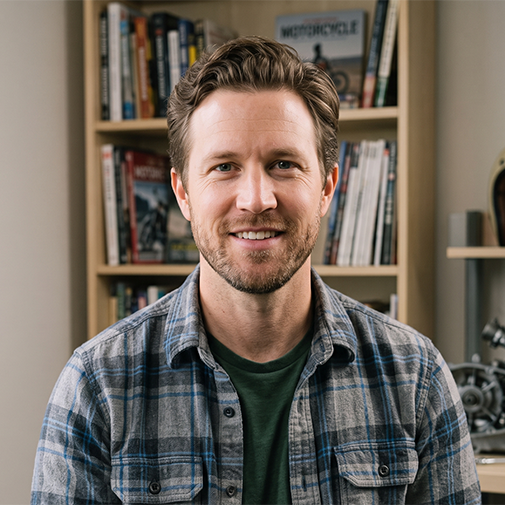
Brian Dheel Family balance is not a slogan. It is a daily plan built around fatherhood, grief, travel, work capacity, and the pressure of race day. On October 23, 2026, NASCAR published a profile of Brian Dheel, fueler for 23XI Racing’s No. 45 Toyota, focused on how he balanced being a single parent with one of the most demanding jobs on pit road after the death of his wife, Mandy, in early 2026 NASCAR profile.
For racers and crew members at any level, Dheel’s story gives a practical view of what balance can look like under real strain. It is not about making every week feel easy. It is about setting priorities, building a support system, protecting small recovery windows, and keeping family close even when the work calendar pulls hard in the other direction.
Brian Dheel Family Balance Starts At Home
What Brian Dheel Family Time Shows Racers
As of the NASCAR article date, Dheel was raising two teenage children: Gage, 18, and Quinn, 14. The report described them as central to his life while he continued his work with 23XI Racing. That detail matters because racers often talk about sacrifice, but less often define what they are trying to protect. In Dheel’s case, the center point was clear: his children remained at the heart of his schedule and identity.
In early summer 2023, Dheel and his family bought a house near Myrtle Beach, South Carolina, about 10 to 15 minutes from the shore. The move was made so Mandy could have more peaceful time during her illness. After her death in early 2026, that home also shaped how Dheel handled travel, work, and recovery. The distance made his week harder in miles, but it also kept him close to the place his family had chosen together.
That is a lesson many grassroots racers understand. The shop, trailer, fuel jugs, tires, and travel plans all matter, but they have to serve the life around racing. A racer who ignores home strain can lose the very support that keeps the program alive. A racer who plans with family in mind has a better chance of keeping racing sustainable beyond one hard season.
Why Symbols And Rituals Matter
Dheel carried visible reminders of his family, including tattoos with the initials of Gage and Quinn, a pink ribbon for breast cancer awareness, and shared imagery connected to Mandy. These details are personal, but they also show how athletes and crew members stay grounded while working long hours away from home.
From a gear and prep standpoint, I see those reminders the same way I see a carefully packed race bag or a pre-race checklist: they anchor routine. They help a person move from chaos to task. Dheel’s role required focus in seconds, yet his life outside the pit box carried heavy emotional weight. The reminders did not remove that weight. They kept connection present while he did the work.
Work Week Demands And Race Preparation
The Weekly Mileage Behind Pit Road
The NASCAR report laid out a demanding weekly pattern. Dheel’s week started Monday in South Carolina. On Tuesday morning, he left before dawn for a nearly 200-mile drive to 23XI Racing’s AirSpeed headquarters for film review, workouts, and pit-crew practice. He handled shop duties through Thursday midday, returned home south of the coast, then went back toward Charlotte on Saturday evening before flying out Sunday for race day. After the race, he often drove overnight back home.
That schedule shows why the Brian Dheel Family story connects with racers beyond NASCAR. Many local competitors work jobs during the week, service equipment at night, then haul to the track with little margin. The level is different, but the pattern is familiar: miles, fatigue, family needs, gear prep, and performance pressure all landing in the same seven-day window.
Dheel’s pit role also carried serious physical demands. The NASCAR profile said he lifted fuel canisters over 110 pounds and hustled every pit stop. It also noted that he continued to perform at a high level in his late 40s, with no specific age given, and served as a recruiter for upcoming pit-crew athletes. For any racer or crew member, that combination points to a key truth: preparation is not only mechanical. It is physical, mental, and logistical.
- Build the week before loading: Put family commitments, travel windows, workouts, and shop tasks on one calendar so conflicts surface early.
- Pack by function: Separate safety gear, hydration, tools, spares, paperwork, and personal items so a tired return trip does not create next-week problems.
- Protect recovery cues: Use simple rituals such as coffee, a walk, or quiet time to reset before the next work block.
- Ask for help before failure: A shared workload can keep one person from carrying every task in the shop and at home.
That last point connects with broader racing life. Teams that last are rarely built on one person doing everything alone. For a related community angle, our piece on racing community support looks at how shared workload helps racers protect family time and keep competing without draining the people closest to them.
Support Systems After Loss

Team Flexibility Was Part Of The Response
After Mandy’s passing, Dheel and 23XI Racing arranged that he could take as much time away as needed. The NASCAR report said leadership and teammates supported him and did not push him to return too soon. That kind of backing is not just kindness; it is sound team culture. A grieving crew member cannot be treated like a replaceable tool on the cart.
The race shop can be a hard place to admit that life outside the hauler is heavy. Yet Dheel’s situation showed how a team can leave room for humanity without erasing performance standards. NASCAR also reported that from the 2026 Daytona 500, which Dheel won with his team, through the first nine NASCAR Cup Series races, his team with Tyler Reddick driving earned five victories. Those results were reported in the same context as Dheel managing grief and family responsibility.
That pairing should be handled with care. The point is not that grief improves performance, or that anyone should rush back to prove toughness. The supported fact is that Dheel worked through a season of major personal loss while his team achieved strong early results. The lesson for smaller teams is to avoid forcing a simple story onto a hard life event. Give people room, keep communication clear, and let readiness be honest.
Quiet Recovery Is Still Preparation
Dheel found small moments of peace away from track life. The NASCAR report mentioned running by the ocean, a quiet morning cup of coffee, and other rituals that helped him shut off mentally. Those are not luxury items in a demanding racing schedule. They are part of staying functional.
Racers often spend money on helmets, suits, radios, tires, suspension parts, and fuel, then treat mental recovery as optional. Dheel’s example suggests a more grounded approach. A quiet reset does not need to be expensive. It needs to be protected. Ten calm minutes before loading the trailer can keep a family conversation from turning into a fight. A short run can clear the head before reviewing setup notes. A cup of coffee in silence can mark the shift from parent mode to work mode, or back again.
Sports communities outside motorsports face similar family and travel pressures, and readers who follow that wider athlete experience can find related coverage at World Football Idol. The common thread is not the sport itself. It is how athletes and support crews carry responsibility while still showing up for the people who count on them.
Brian Dheel Family Lessons For Grassroots Racers
Make The Plan Honest, Not Perfect
The most useful lesson from the Brian Dheel Family example is that balance has to be honest. His week included long drives, shop work, film review, workouts, pit practice, flights, race-day pressure, overnight travel, and parenting. No racer should look at that and pretend the load is light. The better response is to name the load and plan around it.
For amateur racers, that can mean deciding which events fit the family budget, which weekends need to stay open, and which tasks can be shared. It can also mean admitting when a trailer is not ready, when a driver is too tired, or when a family member needs attention more than the car needs another late-night adjustment. Good maintenance is about catching stress before failure. The same idea applies to people.
The Brian Dheel Family balance also shows the value of keeping personal purpose close to the work. Dheel’s reminders of Mandy, Gage, and Quinn were not separate from his racing life. They traveled with him in visible and personal ways. For the local racer, that may look like a family photo in the trailer, a shared pre-race meal, or a standing call before the first session. Small habits can carry real weight.
Brian Dheel’s story, as reported on October 23, 2026, is not a simple race-week feel-good piece. It is a clear look at fatherhood, loss, team support, physical work, and the discipline required to keep going without pretending the hard parts are easy. For riders, drivers, and crew members trying to balance home life with race demands, that is the practical takeaway: build the schedule around people first, then make the equipment and race plan fit that life.