

NASCAR practice formats became a direct part of race preparation after NASCAR announced on July 22, 2026, that Cup Series teams would use one 50-minute practice session beginning with the New Hampshire Motor Speedway weekend. The change replaced short split-group practice at most events, giving every team one shared window to learn the car, the track, and the tire.
That kind of format change is not just a competition note. It affects how a driver builds confidence, how a crew chief structures the first run, how engineers sort through tire falloff, and how families and support teams manage the long days around the garage. For racers at any level, more practice time can mean clearer feedback, calmer choices, and a better chance to turn effort into useful notes before qualifying locks the car into a tighter box.
NASCAR said the 50-minute session applied to all teams at applicable Cup events, excluding superspeedways and extended-practice weekends, and that teams received an extra set of practice tires for the added track time. Impound rules remained in force after qualifying, which kept the pressure on teams to make their best decisions before the car was locked down, according to NASCAR announced.
Why NASCAR practice formats Matter For Race Prep
For a driver, practice is often the only time to ask hard questions without the same cost as race traffic. Is the car tight at corner center? Does it lose rear grip after five laps? Can the driver move up a lane, or is the bottom still the safest place to protect the tires? A single 50-minute session gives teams a longer arc for answering those questions.
What NASCAR practice formats Changed On July 22
The July 22 change created one shared Cup practice session rather than separate short groups at most non-superspeedway weekends. That matters because track conditions can change from one group to another. A unified session gives the garage a more common reference point. Teams still interpret data differently, but they are reacting to the same clock, the same rubber buildup, and the same general weather window.
For smaller teams, the value sits in repetition. A driver can run an opening stint, give feedback, make a measured adjustment, and return to the track with enough time to feel whether the change worked. For veteran teams, the value sits in depth. They can test race balance, qualifying trim, and tire wear without compressing every decision into a few laps.
The change in NASCAR practice formats also made communication more visible. Drivers had to describe what the car was doing in plain, useful terms. Crew chiefs had to sort that feedback quickly. Engineers had to separate one-lap speed from longer-run health. That shared language is part of performance, but it is also part of trust.
Why Impound Rules Keep The Pressure On
The extra time did not remove the challenge. Because impound rules remained after qualifying, teams still had limits on changes once the car was qualified. That made practice less of a casual warmup and more of a planning window. Every lap asked the same question: what can this team learn now that it may not be able to fix later?
That pressure reaches beyond the pit box. Families and crew members who help manage meals, hydration, travel, and rest often feel the race weekend rhythm shift when practice changes. A longer practice session can mean a clearer schedule, but it can also mean a longer stretch of focus. Good support becomes practical: a quiet meal, a ride back from the track, or a reminder that the driver is more than the lap chart.
What Longer Sessions Changed In The Garage
The most useful practice sessions are not always the fastest ones. They are the sessions that leave a team with cleaner choices. In a 50-minute window, the first run can establish balance, the middle portion can test changes, and the final run can confirm whether those changes hold up with more heat in the tires.
Tires, Notes, And Family Rhythm
With an extra set of practice tires added at applicable weekends, teams had more room to gather tire information. That matters at tracks where falloff shapes passing, pit timing, and driver patience. A driver who knows the car will fade after a certain run length can manage throttle input with more purpose. A crew chief who sees the same pattern can plan adjustments with less guesswork.
For grassroots racers watching from the outside, the lesson is simple and useful: practice should have a plan. Even without Cup-level data systems, a racer can log tire pressure, track temperature, driver feel, and lap consistency. The same habit applies across motorsports. One family member can record run notes. A friend can watch corner entry. A crew helper can track tire wear. These small jobs give people a stake in the result and make the day feel shared, not isolated.
Readers who want a closer race-weekend angle can read our related piece on New Hampshire practice lessons, where the longer session format connects directly to tires, traffic, and setup notes.
Building Calm Before Qualifying
One quiet benefit of more practice time is emotional. Drivers do not have to carry every unknown into qualifying. They still need speed, but they can build that speed from a clearer base. That can help a racer settle into routine: debrief, hydrate, review notes, reset, then qualify.
The community around the driver matters here. A calm crew area can protect attention. Supporters do not need to solve the setup to help the racer perform. They can reduce noise, keep the schedule steady, and give the driver room to speak honestly after a poor run. That is how resilience often looks in racing: not dramatic speeches, but steady people doing useful work.
Motorsports also connects with other recreation communities that value preparation and patience. For readers who enjoy skill-building outside the garage, FS Golf offers a different yet beneficial environment for honing skills, where practice habits and community support play a crucial role in enhancing performance.
Community Lessons From Short-Track Data
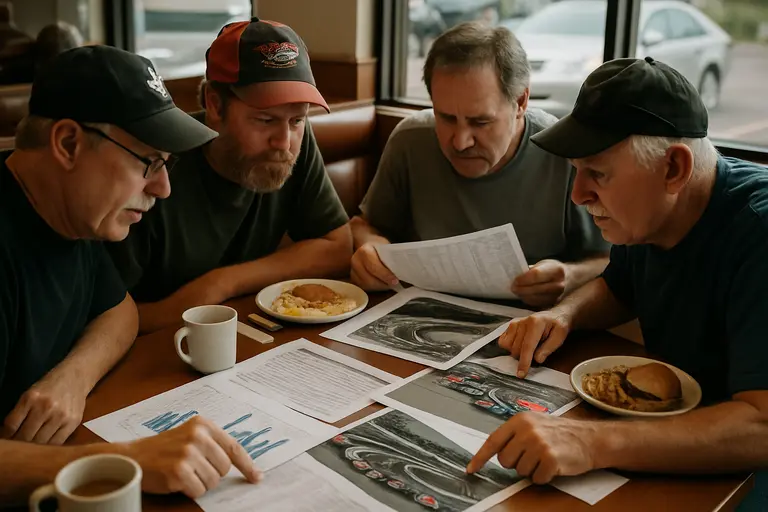
The practice format shift landed in the same season as NASCAR’s 2026 short-track and road-course package changes, which raised output to 750 horsepower and reduced some aero elements on tracks under 1.5 miles and road courses. The goal, as described in the research record, was to put more emphasis on driver control and passing.
Darlington Gave Teams A Measured Read
Darlington offered one of the clearer data points from the 2026 package. Green-flag passes rose from 2,966 in 2025 to 3,216 in 2026, and lead changes increased from 18 in 2025 to 23 in 2026, according to Motorsport.com reported. Driver feedback in that report was cautious but positive, with the package described as directionally positive while still facing challenges from narrow grooves and aero effects.
Those numbers do not prove every track will race the same way. They do show that teams had more to evaluate. When passing increases, drivers must understand where the car works in traffic, how it responds off the corner, and whether a setup can protect speed during a longer run. Practice time becomes a bridge between the rule package and the race itself.
Why More Passing Still Requires Patience
More horsepower and reduced downforce can reward driver input, but that also asks more from the person inside the car. A driver may have to manage wheelspin, protect the rear tires, and accept that a faster short-run setup might cost time later. Those choices become easier when the team has enough practice laps to compare feel against data.
For the garage community, that creates shared responsibility. The driver brings feel. The crew brings setup knowledge. The spotter brings traffic awareness. Family and friends bring grounding when the day gets tense. No one part replaces another. Good performance is often built through that steady exchange.
- Drivers can use longer sessions to describe balance changes across a run, not just after one lap.
- Crew chiefs can separate qualifying speed from race comfort before impound limits later changes.
- Supporters can help protect routine through food, rest, timing, and encouragement.
- Grassroots racers can copy the habit by giving every practice run a clear purpose.
NASCAR practice formats And The Garage Community
The real value of NASCAR practice formats in 2026 was not only the extra minutes on track. It was the way those minutes changed preparation. Teams had more time to test, but also more responsibility to use that time well. Drivers had more laps to build trust in the car, but they still had to make clear calls under pressure.
For the wider racing community, the lesson travels well. Practice is not just a stopwatch session. It is a conversation between driver, car, crew, and supporters. The 50-minute Cup format showed how structure can support better decisions, stronger feedback, and a calmer race-day routine. That is useful whether the garage is a Cup hauler, a local short-track trailer, or a family pickup packed before sunrise.
Racing rewards speed, but it also rewards people who prepare together. Longer sessions gave teams more room to learn. The strongest groups were the ones that treated that room with purpose, respect, and a clear plan for the next lap.