

mental breaks are not a soft topic in racing; they are part of how athletes stay clear, steady, and ready for the next green flag. Chase Elliott’s public comments across recent seasons point to a consistent theme: he does not treat pressure as something solved by one win, one reset button, or one perfect weekend. He keeps returning to the next controllable task, the team around him, and the present moment.
That message matters for NASCAR fans, grassroots racers, karting families, and weekend riders who know how easily passion can turn into strain. Motorsports asks a lot from the body, but it also asks a lot from the mind: travel, preparation, sponsor duties, mechanical setbacks, family sacrifice, and the constant replay of decisions made at speed. Elliott’s perspective gives the community a practical way to talk about burnout without making it dramatic or distant.
Why Mental Breaks Fit Elliott’s Approach
Staying Present After Results
On May 3, 2026, after Elliott won at Texas, he pushed back on the idea that an early win simply meant “the pressure is off.” His point was not that results do not matter. It was that he does not operate by letting a result decide his mindset for the months ahead. He emphasized staying present and focusing on what he could control at that moment.
That is useful for racers at every level. A win can bring relief, but it can also bring new expectations. A rough finish can sting, but it does not have to define the next week. The mental reset is the skill of taking the lesson without dragging the emotional weight into every conversation, practice run, or garage session that follows.
Mental Breaks As Part Of Race Prep
During Chevrolet NCS Chase Media Day on September 2, 2026, Elliott said there was “nothing to defend” and “nothing to prove,” adding that the goal was to be their best selves and put their best foot forward. That kind of framing does not erase competitive fire. It channels it into preparation instead of comparison.
For grassroots racers, mental breaks can be as simple as setting a quiet hour after loading the trailer, keeping phones away during family dinner, or stepping out of the garage before frustration turns into short tempers. The break is not a rejection of ambition. It protects the focus needed to return with patience and better judgment.
What Burnout Looks Like In Motorsports
Warning Signs Racers Can Name
Burnout does not always announce itself with a major breakdown. In athlete settings, signs can include feeling overly tired, reduced accomplishment, emotional exhaustion, and loss of interest, according to sports psychology coverage in The Washington Post. In racing, those signs might show up as dread before practice, irritability with crew members, a lack of joy after good runs, or a habit of replaying mistakes long after the debrief should be done.
Elliott’s August 2023 comments about caring less about “the noise” and more about the things that make a difference fit that pattern of prevention. Outside pressure can become a drain if it gets treated like data. Not every opinion deserves the same space as a crew chief’s feedback, a spotter’s call, or a driver’s own honest review.
Rest Is Training, Not A Reward
A 2024 report cited by Forbes found that 82% of more than 12,000 workers were at risk of burnout, and the report advocated for digital detoxes, mental recovery time, and structured breaks as essential for long-term health and performance Forbes. Racing is not an office job, but the lesson crosses over: sustained output without recovery carries a cost.
On June 29, 2025, when Elliott was asked about burnout and high points, he described a significant moment as “very much in the moment.” That detail is easy to overlook. Being able to feel a good moment as it happens is part of staying mentally fresh. If every celebration becomes the setup for the next worry, even success can feel draining.
Turning Mental Breaks Into Team Habits
A Paddock Check-In Routine
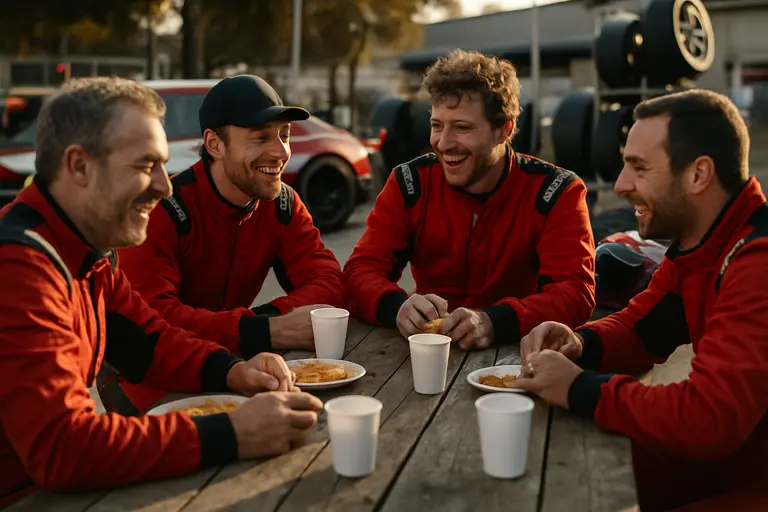
The practical value of mental breaks grows when the people around a racer respect them. A driver can ask for space, but a team culture makes that request normal rather than awkward. Families and crews can help by treating rest as part of the schedule, not as proof that someone lacks drive.
A simple check-in can work well before and after race activity:
- Before track time: ask what the driver needs to feel settled, whether that is quiet, a short plan review, or fewer voices in the final minutes.
- After track time: separate emotion from analysis by allowing a short cool-down before discussing mistakes or setup changes.
- After the event: protect one non-racing conversation so the athlete returns to being a person, not only a result sheet.
This is where community care becomes practical. A local team may not have a sports psychologist on site, but it can still build healthy habits. For more race-week ideas rooted in calm preparation, our related piece on mental health paddock habits offers a grounded starting point.
Off-Track Space Matters
Not every reset needs to look like formal recovery work. Some racers clear their heads through time with family, a walk away from the hauler, a meal with friends, or an activity that has nothing to do with lap times. Community spaces outside racing can help people reconnect with a slower pace; a related site in our network, Copeland Hills Golf, reflects that same idea of shared recreation away from the pressure of competition.
During his 2020 championship media availability, Elliott said he felt he was in a better mental state over the last couple months than he had been in the past, connecting that to narrowing focus and tuning out distractions. That is not a claim that one routine works for everyone. It is a reminder that attention has limits, and racers have to choose where it goes.
Chase Elliott’s Reset Message For Racers
What Teams Can Carry Forward
Elliott’s public comments make mental breaks feel less like an escape from competition and more like a way to stay connected to it in a healthier form. His themes are steady: control what can be controlled, reduce the power of outside noise, do not let past results become the whole identity, and give meaningful moments enough space to be felt.
For the motorsports community, that message is especially valuable because racing is often built around sacrifice. Parents haul trailers after long workweeks. Crew members give nights and weekends. Young drivers balance school, training, and family life. Adult racers fit events between jobs and bills. Without recovery, even love for the sport can start to feel heavy.
A healthier paddock does not ask racers to care less. It helps them care with better boundaries. The driver still studies, trains, listens, and competes. The crew still pushes for the right setup. The family still cheers hard. But everyone also leaves room for quiet, perspective, and life outside the track. That is how the sport stays welcoming for the next race, the next season, and the next person who needs both speed and support.