

NASCAR New Hampshire at New Hampshire Motor Speedway is set for Sunday, August 23, 2026, with the Dollar Tree 301 bringing Cup Series pressure to Loudon at a key point in the regular-season schedule. For racers, crew members, families, and fans, race day is not just a start time. It is a full-day plan built around traffic, walking, noise, mobile entry, changing conditions, and the shared rhythm of a major motorsports crowd.
The Cup race is listed for 2:00 p.m. ET on USA Network, with radio coverage through PRN and SiriusXM NASCAR Radio. NASCAR lists the Dollar Tree 301 as the penultimate race of the regular season and provides the official weekend race details, including distance, stage breaks, and tire information through its NASCAR race-weekend details. That timing matters because late-regular-season events tend to place a premium on execution, clean pit stops, and smart choices across a long afternoon.
NASCAR New Hampshire Race Day Timing
NASCAR New Hampshire Schedule Notes
The basic race-day frame is clear: Sunday, August 23, 2026, at New Hampshire Motor Speedway in Loudon, New Hampshire. The race is the Dollar Tree 301. NASCAR lists the event for 2:00 p.m. ET, while the facility information in the research notes says gates open at 11:00 a.m. and driver introductions begin at 2:15 p.m., with the race following. Because those public-facing times do not read the same way, the safest planning lesson is simple: treat early arrival as part of the day, not a bonus.
For families supporting a racer or hosting a first-time guest, the time buffer reduces stress. Loudon is a large site, and the research notes point to significant walking across the property. That can affect older relatives, young fans, and anyone carrying coolers or gear. A calmer arrival also gives groups time to find their seats, settle in, and make one more restroom or concession stop before the pre-race flow picks up.
Why Early Arrival Helps The Whole Group
Race day works best when the group has a shared plan before leaving for the track. Decide where the mobile tickets are stored, who is carrying ear protection, where the vehicle is parked, and which landmark marks the tailgate spot. The research notes say screenshots are not accepted for mobile tickets, so loading tickets before reaching the entry line is a practical step. For NASCAR New Hampshire, the most useful preparation may be the quiet work done before anyone hears an engine.
Track Format And Team Preparation
The Magic Mile Demands Patience
New Hampshire Motor Speedway is a 1.058-mile oval known as “The Magic Mile,” according to the event FAQ for the New Hampshire 301. The Dollar Tree 301 is scheduled for 301 laps across three stages: Stage 1 ends at lap 70, Stage 2 ends at lap 185, and Stage 3 runs to the finish at lap 301. That structure gives teams several natural reset points, but it also asks drivers to keep their cars alive across a long run of traffic, pit cycles, and track position battles.
From a gear reviewer’s point of view, the tire allotment is one of the most useful details in the race notes. Each Cup Series team has access to ten tire sets for the weekend: seven new sets usable during the race, one qualifying set that transfers to the race, and two sets for practice. Four wet-weather sets are also listed. Those numbers do not predict strategy by themselves, but they frame the choices teams face across practice, qualifying carryover, and race execution.
Practice Time And What It Means
The research notes state that teams received a single, continuous 50-minute practice session with no mandatory break, plus an extra Goodyear tire set, with that format starting at New Hampshire. For a crew, that type of session rewards organization. There is less value in sitting idle while the team debates changes. The better rhythm is to send the car out, gather feedback, make measured adjustments, and keep the driver’s comments tied to repeatable sensations: entry, center, exit, braking feel, and traffic behavior.
That same lesson applies at the grassroots level. Whether the vehicle is a Cup car, a short-track stock car, or a kart, race-day preparation is rarely about one magic adjustment. It is about knowing the schedule, bringing the right tools, protecting the driver’s focus, and keeping communication clear when pressure rises.
Fan Gear, Parking, And Facility Habits
Pack For Noise, Walking, And Weather Swings
The research notes identify several useful items for New Hampshire Motor Speedway: ear protection, sunscreen, a hat or sunglasses, layered clothing, and comfortable walking shoes. That is a practical race-day kit, not extra comfort gear. Cup cars are loud, and the day can include long stretches in the sun, time on paved walkways, and changes in temperature. For families with younger fans, ear protection should be treated as essential equipment.
- Ticket and payment setup: The facility is listed as cashless, with mobile tickets required and concessions and merchandise trailers accepting cards only.
- Bag and cooler awareness: The research notes say clear or soft-sided bags are recommended and cooler rules are enforced.
- Walking plan: Expect distance across the property, and mark the parking location with landmarks before leaving the vehicle.
- Comfort basics: Wear shoes that can handle a full day, and bring layers rather than relying on one race-day outfit.
Parking Is Part Of The Race-Day Plan
Multiple on-site and off-site parking lots are listed for the event, with premium parking closer to the gates selling out early. Heavy traffic is also noted in the research. That means the parking choice affects the full group, especially if someone needs more time to walk or if a family is trying to keep children comfortable before the race starts.
A smart group plan names a meeting point, a post-race regroup location, and a backup method if cell service slows under crowd load. None of that is flashy, but it protects the mood of the day. Race weekends are better when people spend less time hunting for each other and more time sharing the experience.
Community Rhythm Around Loudon
Support Crews Matter Beyond The Pit Box
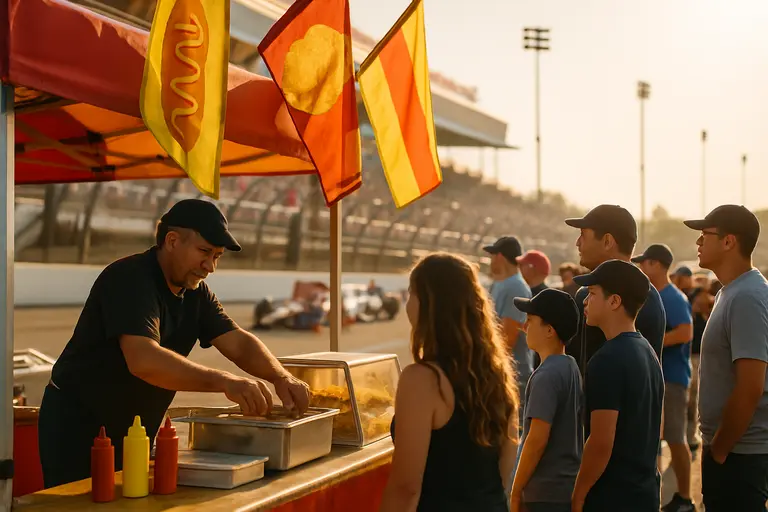
Motorsports communities are built by more than drivers and crew chiefs. Parents haul coolers. Friends manage tickets. Spouses handle travel timing. Kids learn patience in long entry lines and joy when cars roll by under power. At a place as large as New Hampshire Motor Speedway, that support network becomes part of the event’s structure.
The best race-day groups respect both the competition and the people carrying the day around it. Give the most detail to the person who worries about timing. Give the parking landmark to everyone. Make room for a quiet reset if someone is overwhelmed by the noise or crowd size. That kind of care keeps the sport welcoming, especially for first-timers who may not yet know what a full Cup Series day feels like.
Building A Sports Weekend Without Losing Focus
For traveling groups, race day can sit inside a broader sports weekend, but the race should stay at the center of the plan. Some fans planning their trips may also want to explore neighboring leisure pursuits, like visiting Copeland Hills Golf, which is well-suited for golf enthusiasts. However, for August 23, 2026, at Loudon, motorsports rightfully take precedence: arrive early, prepare for noise, keep tickets ready, and leave enough energy for the post-race walk back to the vehicle.
NASCAR New Hampshire Race Day Readiness
A Practical Mindset For August 23, 2026
NASCAR New Hampshire should feel big, loud, and organized if the day is planned well. The key facts are straightforward: the Dollar Tree 301 is set for Sunday, August 23, 2026; the race is 301 laps; stage breaks are scheduled at laps 70 and 185; the venue is a 1.058-mile oval; and fans should prepare for mobile ticketing, cashless purchases, traffic, and walking.
A strong NASCAR New Hampshire plan is not about overpacking or rushing. It is about matching the day’s demands with the right habits: arrive with time in hand, protect your hearing, dress for changeable conditions, keep your group connected, and understand the race format before the field rolls. That preparation supports the athlete’s world as much as the fan’s experience. It respects the crew work, the family effort, and the community energy that make a Cup Series stop in Loudon more than 301 laps on the board.