

Local Racing Events can turn a race weekend into something bigger than a schedule of practice, qualifying, and competition. The Borchetta Bourbon Music City Grand Prix Championship Weekend at Nashville Superspeedway on August 30-31, 2025, showed how racers, families, fans, volunteers, and local partners can share the same space with a common sense of purpose. The event was already concluded by August 20, 2026, so its community value is best understood through what happened: people showed up, followed from home, interacted online, and helped make the race feel connected to Nashville life.
For racers, that kind of connection matters. A driver or rider does not arrive at the grid as a single person acting alone. Behind each helmet are family members, crew help, personal routines, work demands, travel planning, and the mental work of staying calm in public competition. A local event gives fans a closer view of that life, while athletes get something valuable in return: a crowd that recognizes the effort before and after the green flag.
Why Local Racing Events Feel Personal
Local Racing Events Turn Race Day Into Shared Work
Race day asks a lot from everyone involved. Racers prepare equipment, manage nerves, review track conditions, and stay ready for schedule changes. Families and crew members often handle the practical work around them: meals, communication, tools, transportation, and recovery time. Fans may see the final product on track, but a community-centered event makes the preparation more visible.
The 2025 Borchetta Bourbon Music City Grand Prix weekend drew about 40,000 people across August 30-31, 2025, at Nashville Superspeedway, according to the event’s season recap. That attendance figure matters because it shows a large in-person audience gathering around more than a race result. It represents people choosing to spend time around paddock rhythms, fan areas, family plans, and the shared language of motorsports.
A Weekend That Reached Beyond The Grandstands
The Sunday INDYCAR race on August 31, 2025, also averaged 1.14 million broadcast viewers, making it the third-highest viewership event of the 2025 INDYCAR season and a 137% increase compared with the prior year. That kind of reach can help fans who could not be at the track still feel part of the same conversation. For racers, a bigger audience can add pressure, but it can also reinforce that their work is being seen by people far beyond pit lane.
Community engagement is not only about crowd size. It is about whether people feel invited into the culture of racing. Families new to motorsports may come for the atmosphere and leave with a better understanding of how much discipline the sport requires. Longtime fans may bring younger relatives and pass along track habits, from wearing ear protection to respecting garage boundaries. Those small lessons are part of how racing culture renews itself.
How The Nashville Weekend Connected Fans
Attendance, Broadcast Reach, And Digital Touchpoints
The Music City Grand Prix has also shown how in-person and digital participation can work together. During the 2025 race weekend, research from the event reported more than 3,000 new INDYCAR app downloads, 80,000 active users on race day, more than 3,000 new social media followers, 3.82 million video views, and over 564,000 engagements across INDYCAR platforms. Those figures point to a fan base that was not limited to the seats at Nashville Superspeedway.
For the racer lifestyle, that online activity can be a mixed experience. Athletes still need quiet time, focus, and healthy boundaries. At the same time, digital interaction can help fans understand the human side of competition: the long waits, the small adjustments, the post-race emotions, and the appreciation racers show to the people who support them. Local Racing Events are strongest when the online conversation brings people closer without reducing athletes to highlights alone.
Festival Energy Without Losing The Racing Core
The broader Music City Grand Prix model has also used music, fan zones, and entertainment to welcome people who may not follow every lap chart. A Visit Nashville report said a three-day Big Machine Music City Grand Prix weekend drew more than 160,000 attendees from all 50 states and featured national headliners including Daughtry, Riley Green, and Diplo, along with fan zones and racing activity. The same report recorded 653 total on-track passes, 237 passes for position, 117 passes in the top 10, and 42 within the top 5, all record highs for the INDYCAR Series at that circuit, according to the Visit Nashville report.
That balance is useful. A festival setting can give newcomers a first reason to show up, while the racing itself gives them a reason to care. For athletes, it means the community around the event may include serious race followers, casual sports fans, families, tourists, and local residents. Each group brings a different form of energy, and racers learn to perform in front of all of them.
What Racers Gain From A Stronger Fan Base
Preparation Feels Less Isolated
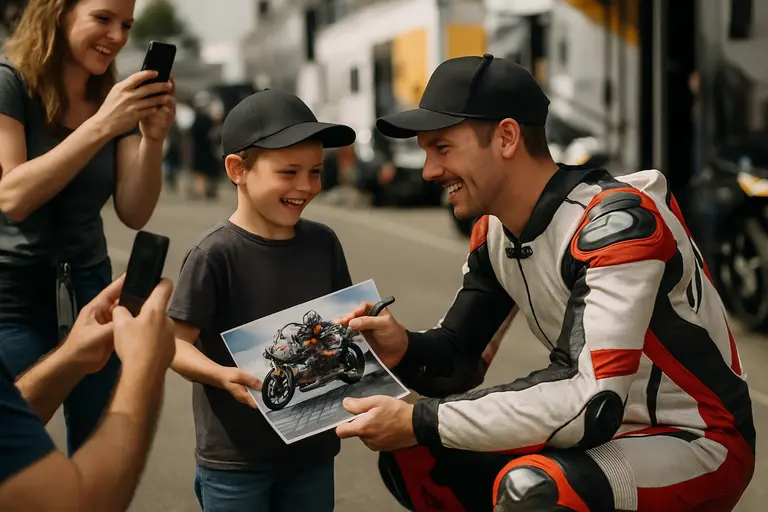
For racers, preparation is often repetitive. The public sees speed; the athlete lives with checklists, travel timing, physical readiness, media duties, and recovery after intense focus. A supportive local fan base can make that routine feel less isolated. A wave from a young fan, a question from a first-time attendee, or a family meeting another family in the paddock can remind racers why the work matters.
The community side also supports resilience. Not every race goes well. Equipment issues, penalties, traffic, and missed opportunities are part of motorsports. When fans understand the effort behind the result, athletes can return to the garage with more than disappointment. They can feel backed by people who respect persistence as much as the podium.
Resilience Builds In Public
Public competition teaches racers how to handle attention with care. A strong event community can help by rewarding sportsmanship, patience, and effort. This is where local clubs, families, and regional motorsports groups make a real difference. For readers thinking about how smaller racing circles shape athletes, our story on racing clubs building champions connects closely with the same idea: development happens around people, not just machines.
Other sports communities understand this pattern too. Baseball, for example, has its own local traditions of families gathering around athletes across long seasons; readers who enjoy that side of sports culture may appreciate the site BooksonBaseball.com as a related community-minded platform. The shared thread is simple: sports become more meaningful when people gather, teach, remember, and return.
Local Racing Events And The Music City Grand Prix
Community Lessons Racers Can Carry Home
The Music City example gives racers and supporters a practical model. Build spaces where fans can learn. Give families enough reason to stay engaged between on-track sessions. Support youth programs where possible. Make room for veterans, underserved groups, students, and local organizations. The research notes for the Grand Prix’s community work included literacy efforts, STEM-related opportunities, and access programs, which all point toward racing as a place where education and belonging can sit beside competition.
For athletes, the lesson is personal. Being part of a community event means planning for more than performance. It means showing gratitude to crew members, giving fans a respectful moment when schedules allow, and protecting the mental space needed to race well. It also means recognizing that a young person in the stands may remember a small act of kindness longer than a lap time.
A Practical Measure Of Success
The success of Local Racing Events should not be measured only by attendance, passes, or online engagement, even when those numbers are strong. The better measure is whether people leave feeling more connected to the sport and to one another. The 2025 Borchetta Bourbon Music City Grand Prix Championship Weekend offered a clear example of that connection: a concluded race weekend with a sizable crowd, major broadcast reach, active digital participation, and a setting where fans could see the athlete’s life up close.
That is the lasting value of Local Racing Events. They bring racers out from behind the visor and invite fans into the human side of motorsports. They give families a shared place to support, learn, and celebrate. They help local communities see racing not as a closed-off competition, but as a demanding, social, resilient way of life.