

New Hampshire practice gave racers and crews a clearer look at what useful testing can do before race day. On August 22–23, 2026, NASCAR Cup Series teams used the enhanced format at New Hampshire Motor Speedway for the Dollar Tree 301 weekend, shifting from two separate 25-minute group sessions to one 50-minute full-field session. For drivers, crew chiefs, mechanics, and families watching the work unfold, the change created a better model for preparation: more continuous laps, more tire feedback, and more time to understand how a car behaves around traffic.
As a gear and maintenance writer, I look at this less as a schedule change and more as a lesson in how racers should use every practice window. A longer session does not help unless the team has a plan. The best use of added time is not simply turning laps; it is checking tire wear, logging changes, listening to driver feedback, and keeping the crew calm enough to make useful decisions. NASCAR said the updated Cup format began with the New Hampshire weekend and gave each participating team an additional set of practice tires, bringing the practice allotment to two sets per event, according to RACER.
What New Hampshire Practice Changed
The most meaningful shift was the move to one continuous 50-minute session with the full field on track. Under the prior structure, teams worked inside two 25-minute groups. The new format allowed every Cup team to share the same track window, which changed the value of the information gathered. Instead of treating practice as a short shakedown or a quick qualifying rehearsal, teams could work through longer runs, traffic behavior, and setup direction with fewer artificial breaks.
Why New Hampshire Practice Time Mattered
New Hampshire practice time mattered because it resembled race conditions more closely than isolated short runs. New Hampshire Motor Speedway places a premium on braking rhythm, corner exit drive, tire management, and patience in traffic. A 50-minute session did not recreate the full demands of the race, but it gave teams a better sample of how the car responded as laps accumulated.
NASCAR’s own race-weekend coverage pointed to long-run performance, tire wear, and traffic as key areas that teams could assess with the added time, especially with all cars sharing the track at once through the session, as noted by NASCAR Sunday Setup. That is the kind of information drivers often cannot get from a single mock qualifying run. A car can feel sharp for one lap and still punish its tires over a longer run. The longer window helped teams separate instant speed from usable race pace.
What The Extra Tire Set Added
The second practice tire set gave crews more room to compare feel and balance without using one set as the only reference point. Tire data is not just about grip. It is about how the car changes from lap five to lap 20, how the driver adapts, and whether a setup change helps the whole run or only one corner of it.
For amateur racers, the lesson is direct. If your series or track day gives you limited tire access, plan the order of your runs before you unload. Start with a baseline, make one clear adjustment, and write down the driver’s feedback right away. If you change too many items at once, the added practice time can produce more questions than answers.
Turning Longer Testing Into Better Race-Day Decisions
Longer practice rewards teams that communicate clearly. The driver feels the car. The crew sees tire condition, pressure trends, and body language when the car returns. The crew chief or lead mechanic has to decide which feedback matters most. At New Hampshire, the enhanced format gave teams more chances to run, adjust, and verify before qualifying and race-day restrictions shaped what they could still change.
Build A Run Plan Before The Engine Starts
A good run plan keeps a team from wasting the first half of practice. Before the car or bike rolls out, everyone should know the purpose of the first run, the target number of laps, the expected stop point, and the first adjustment option. That structure matters even more under a longer full-field session because traffic, weather shifts, and track surface changes can pull attention away from the original goal.
Use a simple plan built around questions the team can answer:
- Baseline feel: Does the machine repeat the same behavior over several laps?
- Tire response: Does grip fade gradually, suddenly, or unevenly?
- Traffic comfort: Can the driver hold rhythm behind another car without overdriving?
- Adjustment value: Did one change improve the whole run or only one part of the corner?
- Crew timing: Can the team service, inspect, and communicate without rushing key checks?
This kind of checklist helps club racers, karting families, and motorcycle track-day riders use pro-level habits without needing a Cup garage budget. The community impact is real: when one team gets better at sharing notes and staying organized, neighboring teams often learn from that approach. That is how paddocks raise the standard together.
Respect Impound Limits And Front-Load Learning
As of August 2026, impound rules remained part of the Cup Series process, which meant some post-qualifying adjustments were restricted. That made the longer practice period more valuable because teams had to learn before qualifying, not after. For racers in other series, the same mindset applies even if the rulebook differs. The best time to test a setup idea is before the schedule tightens and pressure rises.
For more race-week packing and weather-layer thinking tied to the August 23, 2026 event, our related notes on New Hampshire gear lessons connect practice preparation with the equipment side of the weekend.
Riding Technique Lessons From Full-Field Testing
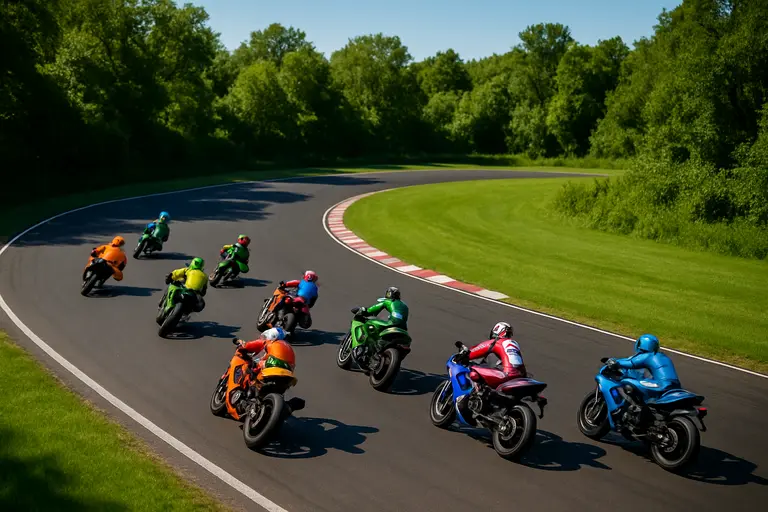
Even though the New Hampshire example came from NASCAR, the riding and driving principles carry into many forms of racing. More laps under changing conditions help athletes manage rhythm, focus, and physical load. Longer sessions can expose small habits: turning in too early, braking too hard after following traffic, or pushing tires past their useful range because the stopwatch rewarded one aggressive lap.
Use Traffic As A Skill Drill
Full-field running gave Cup teams a chance to watch how cars behaved around other cars. For riders and grassroots drivers, that is a reminder to practice traffic with intent. Passing pace is only one skill. So is following without overheating brakes, choosing a clean line when the preferred groove is blocked, and staying composed when a slower competitor changes the rhythm of a corner.
New Hampshire practice also showed why mental pacing matters. A longer session asks the athlete to keep reporting useful feedback after the first burst of adrenaline fades. Families and crew members can help by keeping radio or pit-lane communication short, calm, and specific. A driver who feels supported is more likely to describe the machine honestly instead of trying to impress the stopwatch every lap.
Connect Fitness, Gear, And Feedback
Longer sessions test the athlete as well as the equipment. Heat, hydration, ear protection, gloves, and seat comfort can all affect how clearly a racer feels the machine. None of those items replace setup work, but poor comfort can blur feedback. If a driver says the car is loose after 20 laps, the crew needs to trust that the comment reflects the car, not fatigue, distraction, or avoidable discomfort.
Teams looking for broader training log ideas can benefit by comparing notes with My All Time Best, especially if they track sleep, hydration, and practice habits alongside lap notes. The key is to keep the log simple enough that the athlete will actually use it after a long day.
New Hampshire Practice Habits Racers Can Keep
New Hampshire practice offered a practical reminder: more time only helps if racers turn it into better decisions. The 50-minute format gave Cup teams added room to study tire wear, long-run balance, and traffic behavior before race day. It also showed smaller teams and developing racers why a calm process matters as much as raw speed.
For local racers, the takeaway is not to copy a Cup team dollar for dollar. Copy the habits. Write down the goal of each run. Change one main item at a time. Inspect tires as soon as the machine comes in. Ask the driver for feedback before offering opinions. Keep family and crew roles clear so the paddock stays supportive instead of tense.
The strongest lesson from New Hampshire practice is that preparation is shared work. Drivers, mechanics, spotters, parents, partners, and friends all shape the quality of a session. When the team uses added testing time with purpose, race day feels less like a guess and more like the next step in work already done.