
Race Day Mindset is not built in the final minutes before a green flag. Dystany Spurlock’s 2026 stock-car starts showed how preparation, reset skills, and community purpose can shape a racer’s response under pressure. Her March 2026 ARCA Menards Series East debut at Hickory Motor Speedway ended with a seventh-place finish, reported as the first top-ten finish by a Black woman in that regional NASCAR series; in April 2026 at Rockingham, she followed with a 12th-place finish as seen in FOX Sports coverage.
For riders and drivers at club, amateur, or development level, the lesson is practical: success rarely comes from one perfect lap or one lucky call. It comes from repeated habits that help the athlete stay useful to the crew, honest about performance, and calm enough to learn from each session. Spurlock’s move into ARCA competition after high-speed motorcycle experience also gives racers a strong reminder that speed comfort and race-craft are separate skills. Being brave is not the same as being ready.
What Race Day Mindset Means In Spurlock’s 2026 Season
Race Day Mindset Starts Before Grid Call
Spurlock’s Hickory result on March 2026 mattered because it gave her a measured reference point. Seventh place did not mean every later race would be easier, and the Rockingham follow-up showed that every track asks a different question. A sound racer reads both finishes as data. What worked? What changed? Which habits traveled well from one venue to the next?
Race Day Mindset, in practice, means keeping the driver or rider focused on the next useful task. That may be a cleaner corner entry, a calmer restart, a better radio exchange, or a more direct post-session note to the crew. For motorcycle racers, the same thinking applies after a practice session that feels messy. Instead of calling the day ruined, write down what the bike did on entry, mid-corner, and exit. Then decide what is rider input, what is setup, and what needs another session before judgment.
Result Review Without Panic
Spurlock’s first two ARCA East starts are a good case study in honest review. A top-ten debut can validate preparation, but it should not become a trap. A 12th-place run next time out can still carry useful information if the racer studies it cleanly. Amateur racers often struggle here because family, friends, sponsors, and social media can make every result feel bigger than it is. The healthier approach is to separate outcome from process.
After a race, review three things before emotion takes over: what you controlled well, what caught you out, and what action should change before the next event. That review keeps pride and disappointment from steering the whole program. It also gives supporters a better role. Instead of asking why the result was not higher, they can ask what the racer learned and what help is needed before the next load-in.
Preparation Habits Racers Can Borrow
Simulator Time With A Clear Job
Spurlock has described using simulator training heavily, with at least one hour per day and up to four hours per day on tracks she had not driven before. She has also framed her work around gratitude and purpose, saying her driving force is not only about herself but about clearing a path for those coming after her as described in Sports Illustrated.
That is useful for any racer with limited track time. Simulator work does not replace seat time, but it can give structure to braking points, visual markers, shift timing, and corner rhythm. The key is to assign a job to each session. One session can focus on learning track direction and reference points. Another can focus on consistent lap rhythm. Another can test how the athlete reacts after a mistake. Random laps may build comfort, but planned laps build feedback.
A rider can build Race Day Mindset by ending each sim session or track walk with one written cue. Good cues are short: “eyes up on exit,” “breathe before launch,” “finish braking before turn-in,” or “report feel, not frustration.” The cue should be simple enough to remember when noise, heat, and schedule pressure rise.
Gear And Body Checks For Amateurs
As a gear and maintenance writer, I see a direct link between prep discipline and mental control. A racer who is still searching for gloves, wondering about tire pressure, or guessing at fuel range is spending mental energy too early. That makes the first session feel harder than it needs to be.
Use a repeatable checklist before leaving home and again before tech. Keep it short enough that you will actually use it:
- Safety gear: helmet, suit, gloves, boots, base layers, hydration gear, and any required certification items.
- Machine basics: tires, chain or belt, brakes, controls, fluids, fasteners, battery, and spare parts that match the event format.
- Rider routine: sleep plan, meals, warm-up, track notes, session goals, and a short post-session debrief method.
- Crew communication: who checks what, who makes calls, and when the racer gets quiet time before the start.
This is where a simple plan beats a heroic scramble. If you need a base structure, our piece on race-day routine planning pairs well with the habits shown in Spurlock’s 2026 season.
Community, Purpose, And Pressure
Trailblazing As Shared Work
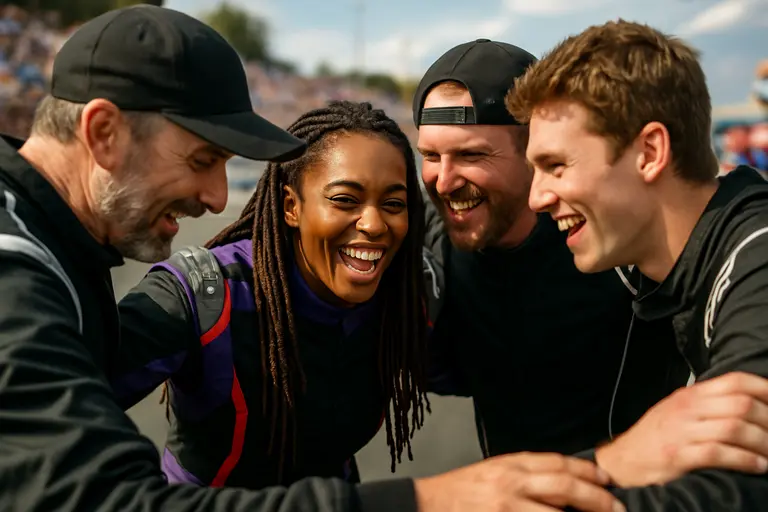
Spurlock’s comments about making room for the next racers matter because motorsports is not only an individual pursuit. A driver may sit alone in the car, and a rider may launch alone from the grid, but the work around that moment belongs to a wider circle. Family members, crew, mentors, local sponsors, and young fans all see what disciplined participation looks like.
That community impact is not abstract. A young racer watching Spurlock’s 2026 ARCA starts can see preparation attached to visible progress. A parent can see that support is more than cheering. A crew member can see that calm feedback after a hard session helps the next setup call. For related sports coverage across our network, Noticias BO provides an additional resource where athlete stories and community context are highlighted together.
Keeping The Garage Grounded
Pressure grows when a racer carries history, expectations, or a new opportunity. The garage can either raise that pressure or steady it. Supporters should avoid turning every session into a verdict on talent. Better questions are specific and useful: Did the bike or car feel stable? Where did traffic change the plan? What does the racer need before the next session?
Racers have responsibilities, too. Thank the people doing the unglamorous work. Share the schedule early. Be honest about nerves without letting nerves run the day. If a mistake happens, name it, learn from it, and get back to the next task. That behavior builds trust, and trust helps a crew work faster when time is tight.
Dystany Spurlock Preparation Lessons
From Hickory To Your Local Paddock
Spurlock’s 2026 results at Hickory and Rockingham offer a clean lesson for racers who are still building their program: the result is only one layer of the day. The deeper value is whether the athlete left with better notes, better habits, and stronger communication with the people helping them compete.
For amateur riders, that means treating every event as a training block. Plan the load-out. Protect sleep. Build a warm-up. Study the track. Check the machine before stress rises. Give the crew clear feedback. Review the day without blaming every problem on luck. These are not flashy habits, but they are the habits that keep a racer improving after the adrenaline fades.
Race Day Mindset is a craft. Spurlock’s early 2026 stock-car work showed how historic moments can still be built from ordinary daily actions: practice, review, purpose, and respect for the team around the athlete. That is the part every racer can take back to their own paddock.