

Corey Day Development has become one of the clearer examples of how raw speed, team patience, and repeatable preparation can work together in modern stock car racing. As of September 14, 2026, Day was a full-time driver of the No. 17 Chevrolet for Hendrick Motorsports in the NASCAR O’Reilly Auto Parts Series, with NASCAR listing him at 25 starts, 2 wins, 7 top-fives, 16 top-10s, 1 pole, and 196 laps led on his NASCAR driver page.
Those numbers matter, but they do not tell the whole story. Day, born November 28, 2005, came into pavement racing with a dirt background and a reputation for speed. The harder part has been converting that speed into long-run control, clean restarts, qualifying repeatability, and season-length consistency. For racers watching from the grassroots level, that is where the useful lesson sits: talent opens the door, but structure keeps a driver learning after the first wave of attention passes.
Corey Day Development Needs Team Structure
Hendrick Motorsports gave Day a full-time seat in the 2026 O’Reilly Auto Parts Series, and that kind of environment can speed up learning if the driver is willing to absorb feedback. Day’s first series win came at Talladega Superspeedway in April 2026, and he added a second win at Dover Motor Speedway in May 2026. He also ran eight straight top-10 finishes from the second through ninth races of the season, covering the stretch from EchoPark through Bristol.
Still, his season showed the difference between pace and polish. The research notes pointed to early-lap incidents at Texas and Pocono as markers for areas still being refined, including pacing and race craft. That is not unusual for a driver moving from dirt habits to a full pavement schedule. The car asks for a different rhythm, and the driver has to learn where aggression helps and where patience saves the day.
Corey Day Development In Daily Preparation
From a gear and maintenance perspective, the lesson for younger racers is simple: the weekly process has to be as disciplined as the race-day push. A driver stepping into bigger cars, longer races, and stronger competition needs organized notes. That means tracking balance changes, brake feel, tire response, visibility issues, radio clarity, and comfort in the seat. None of that replaces coaching, but it gives the crew a cleaner starting point for the next session.
The public record around Corey Day Development also shows why a stable crew chief relationship matters. Day has credited his working fit with crew chief Adam Wall, and Hendrick leadership figures have recognized his progress as he adapted to NASCAR. In practical terms, that kind of support can help a young driver separate emotion from information. A poor restart, a missed braking point, or a rough qualifying lap becomes material to study rather than a personal failure.
From Dirt Success To Pavement Repetition
Day did not arrive from nowhere. His dirt résumé includes sprint cars, World of Outlaws competition, High Limit Racing, the Gold Cup Race of Champions on September 9, 2023, High Limit wins in 2024 and 2025, and the Turkey Night Grand Prix in 2025, where he became the youngest winner in the event’s history, as noted in a Trailblazer profile. That background helps explain the excitement around him, but it also explains part of the learning curve.
Dirt racing rewards car control in changing surfaces, quick reactions, and comfort with traffic. Pavement stock car racing still needs feel, but it places heavier pressure on aero balance, tire conservation, braking discipline, and long-run decision making. Day has acknowledged the work required across road courses, endurance, aero dynamics, qualifying metrics, and long-schedule consistency. Those are not small boxes to check; they are habits built across test sessions, debriefs, and race weekends.
Why Dirt Skill Still Matters
The value of dirt experience is not that it makes pavement easy. It gives a driver a base of adaptability. A racer who has learned to feel grip through the seat and steering wheel may process changes quickly, but the response has to be trained for the car in front of them. In Day’s case, the 2026 season showed both sides: wins and long top-10 runs on one hand, teachable incidents and mid-season refinement on the other.
For club racers, that balance is familiar. A rider or driver moving classes may have enough pace to run near the front, yet still lose time through traffic management, starts, or setup communication. The practical answer is not to chase every adjustment. Build a short list after each session: what the machine did, what the driver did, what changed with track conditions, and what the team can control before the next outing.
How Team Support Shapes Race Day Habits
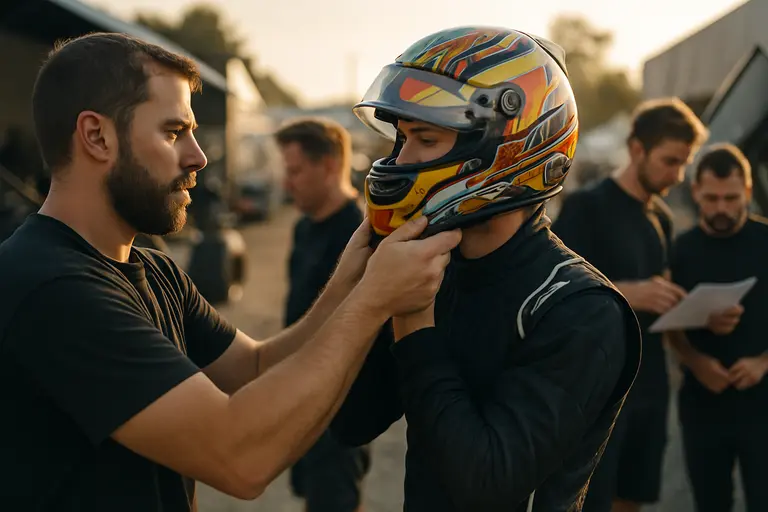
In September 2026, Hendrick Motorsports formalized its commitment to Day with a long-term contract, including plans for select NASCAR Cup Series races in 2027. That timing matters because it showed support during an active growth phase, not only after a finished product had appeared. A young driver can benefit from knowing the program is built around development, but the pressure remains real. The work still has to show up in cleaner races and stronger execution.
The community piece should not get lost. Behind every rising racer is a group that hauls equipment, checks fasteners, organizes radios, keeps notes, and helps the driver reset after hard weekends. For more on that shared workload, our article on supportive racing community lessons looks at how trust inside a race team can shape results and morale. Readers who follow broader stock-car coverage across our network can also find related racing context at SCAR Sports, a key resource for fans and professionals alike.
Race Craft Is A Shared Project
Race craft can sound like something only the driver owns, but the team shapes it. Spotter input, crew chief tone, pre-race reminders, and post-race review all affect how a driver reads risk. If the only feedback is about finishing position, the driver may miss smaller wins: a cleaner opening stage, better tire care, or smarter restarts. Those markers matter for Corey Day Development because his 2026 record already showed winning speed; the next layer was repeatable control.
For young racers and families, the best race-day habits are basic but powerful:
- Write the plan before unloading. Know the session goal, whether it is braking markers, starts, balance checks, or clean laps.
- Keep feedback short after a run. Start with what changed, then what the driver felt, then what the crew can adjust.
- Protect recovery time. Long race days are easier to manage when meals, hydration, and quiet reset time are planned.
- Review without blame. A mistake should lead to a correction plan, not a garage argument.
These habits are not flashy, but they keep a team from wasting energy. They also help younger racers learn how to talk about performance without taking every critique as a personal shot.
What Corey Day Development Means For Young Racers
As of late June 2026, Day was third in the O’Reilly Auto Parts Series standings behind reigning champion Jesse Love and Justin Allgaier, according to the research notes. By September 14, 2026, his season record had already included two wins and a strong top-10 count. That mix of achievement and unfinished learning is exactly why his path is useful for racers below the national level.
Corey Day Development is not a clean story of instant mastery. It is a working example of a fast young driver learning how to handle a demanding schedule with a major team behind him. The lesson for the paddock is clear: support is not just funding or a logo on the car. It is the crew chief who keeps the message steady, the shop routine that catches problems early, the notes that make the next setup smarter, and the people who help a driver stay grounded after both wins and rough days.
For any racer trying to move up, the standard is not perfection. The standard is honest review, better preparation, and a team culture that turns pressure into usable information. Day’s 2026 season showed that even high-end talent needs that foundation, and that is a message every garage can put to work.