

Race-Ready Bikes are built in the weeks before the first start, not in a rushed hour beside the trailer. As of November 5, 2026, the smartest maintenance plan for the next racing season starts with measurable wear checks, steady service habits, and clear crew roles. That approach helps riders protect performance while keeping the sport sustainable for families, teammates, and local shops that keep racing communities moving.
Good preparation also protects focus. A rider who knows the chain, brakes, bolts, bearings, tires, and touch points have been checked can spend race week thinking about pacing, lines, weather, and recovery. That matters at amateur level as much as it does in higher-pressure paddocks. The best plan is not dramatic; it is repeatable, documented, and shared with the people who help load the vehicle, clean the bike, hold the checklist, and keep the rider calm.
Season Plan For Race-Ready Bikes
Build The Calendar Before Parts Wear Out
A seasonal plan starts by working backward from race day. The research supports a one-week inspection window for tires, brakes, drivetrain shifting, cleats, and bike fit, with no new upgrades or untested changes during that late period. That last point is practical race craft. A fresh part can be mechanically sound and still change feel, fit, grip, or shifting rhythm in ways the rider has not trained with.
Three to five days before an event, move from broad inspection to fastener and bearing checks. Inspect bolts, fasteners, and bearings; confirm there is no crank or spindle play; check that the headset is tight without play; and make sure skewers or thru-axles are secure. This is where a small team helps. One person reads the list, one person performs the check, and the rider confirms the feel. That shared routine cuts down on skipped steps and gives younger racers a model for responsible equipment care.
Drivetrain Standards For Race-Ready Bikes
The drivetrain is the easiest place to delay service until it becomes expensive. Use a physical chain checker, not a guess based on mileage alone. Replace the chain at 0.5 % elongation on modern 11- or 12-speed drivetrains and at 0.75 % on 10-speed or older systems. Running beyond those thresholds raises the risk of damaging costlier parts such as cassettes and chainrings, a point supported by chain wear monitoring guidance.
Race-Ready Bikes are not race-ready if the chain is clean on the outside but gritty through the rollers. Clean the chain, cassette, chainrings, derailleurs, and shifters with grease-dissolving cleaners when grime builds up, avoid overnight soaking, and lubricate only after parts are fully dry. The rear derailleur pulley wheels also deserve attention. Wear depends on mud, dirt, load, mileage, and chain condition. Some riders replace pulleys around 3,000 to 6,000 km, but the supported standard is inspection-based rather than a fixed rule.
Brake Checks Before The First Grid
Use Thickness Numbers, Not Hope
Brakes need measured checks because feel can change slowly enough that a rider adapts without noticing. For hydraulic systems using DOT fluid, SRAM states that bleeding should happen at least once per year; for mineral-oil systems, the interval is every two years unless aggressive riding or harsh terrain calls for earlier service. SRAM also advises checking brake pads monthly and replacing them when pad plus backing plate material reaches 3 mm or less, according to its brake service guide.
Rotor thickness belongs in the same inspection. Common rotor replacement points from the research are 1.55 mm for 1.85 mm-thick rotors and 1.70 mm for 2.00 mm-thick rotors, unless the manufacturer calls for a different limit. Those numbers give a family mechanic or shop technician a clear pass-or-replace call. They also keep the discussion with the rider grounded in safety and consistency rather than opinion.
Service For Heat, Dust, And Repeated Stops
Race bikes exposed to frequent intense braking and thermal cycling need more attention between events than casual bikes. The research supports flushing or replacing brake fluid after every race day in those conditions to remove moisture or air. It also supports cleaning floating rotor components, shims, and bolts with pressurized air or bike-safe cleaners so dust does not build up around moving parts.
This is where community habits pay off. A local shop can show a parent how to measure pads correctly. A teammate can remind a rider to check lever feel before loading. A coach can keep untested parts off the bike inside the final week. The technical work is mechanical, but the discipline around it is cultural.
Drivetrain, Tires, And Touch Points
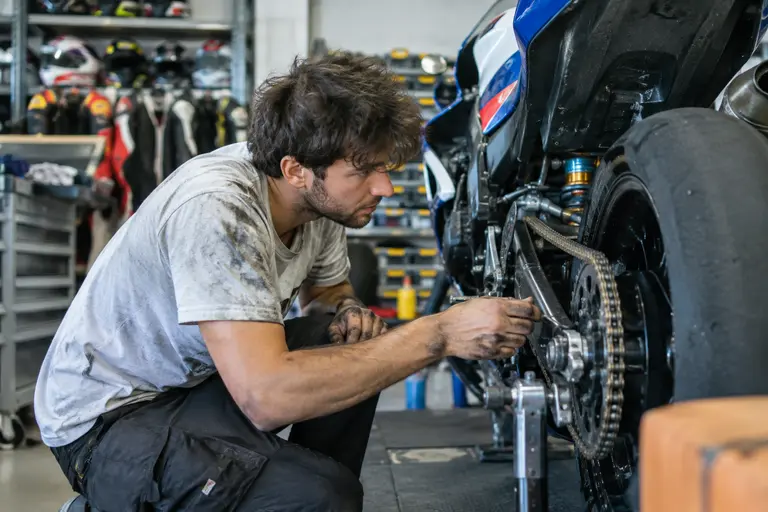
Match Tires To The Course Before Race Week
Tire choice should match the race surface. Road, gravel, mud, and mixed conditions all ask different things from tread, width, and pressure. The research also supports testing tires during training days before the race rather than fitting them the night before, especially for gravel or cyclocross. Overinflated tires may reduce grip and ride comfort, so pressure should be chosen for the surface rather than copied from another rider without context.
This is not only about speed. A rider who trusts the front tire is less tense. A rider who knows how the bike reacts under braking is less likely to overcorrect. Families and crews can help by recording pressure, weather, surface notes, and rider feedback after training. That record becomes useful when the next event has similar ground or weather.
Protect Contact Points And Fit
Cleats, saddle position, bar position, stem bolts, seatpost hardware, and fit checks should be handled before the final rush. The research supports checking cleats and bike fit about one week before racing. It also supports torque checks on stem, saddle, and post during a seasonal overhaul. If the bike has lighting or electrical components, inspect them as part of that broader service.
A full service in the off-season or the months before the next season should include bottom bracket bearing checks, suspension fork or oil service where applicable, and replacement of cracked or damaged parts. For racers managing school, work, family time, and training, booking this work early removes pressure from race week. It also gives the shop time to order parts if inspection finds wear.
- One week out: inspect tires, brakes, shifting, cleats, and fit; avoid new untested changes.
- Three to five days out: check bolts, fasteners, bearings, headset play, crank or spindle play, and wheel attachment.
- After hard race days: clean the drivetrain, inspect brake wear, and document tire pressure and rider feedback.
- During the off-season: schedule bearing checks, suspension service where applicable, torque checks, and replacement of damaged parts.
For riders who want a broader pre-grid routine that includes the body, sleep, fuel, hydration, and logistics, our race day maintenance habits piece connects equipment care with athlete preparation. Additionally, to enhance goal setting and track progress, the network’s performance tracking resource can assist riders in keeping an eye on personal development throughout the season.
Community Habits That Keep Race-Ready Bikes Prepared
Make The Checklist A Team Tool
Race-Ready Bikes stay prepared when the checklist belongs to the whole support circle. The rider should still understand every system, but shared responsibility builds steadier habits. Parents can track service dates. Teammates can compare tire notes. Shop staff can confirm wear limits. Coaches can protect the final week from panic changes. Each role reduces stress and keeps attention on racing well.
The best maintenance strategy is honest about limits. If a rotor is under spec, replace it. If a chain is past the threshold, do not hope it survives another event. If a tire has cuts, cracks, or embedded debris, treat that as a race-week problem to solve early. If the rider has not trained on a new setup, save the experiment for a practice block.
This is how bike care supports the racing lifestyle without taking over family life. A measured plan turns late-night scrambling into scheduled work. It helps riders learn accountability, gives supporters meaningful jobs, and keeps local racing safer and more welcoming. The next season will still bring weather, nerves, tight schedules, and hard efforts. A prepared bike gives the athlete one less thing to carry.