

Every athlete, from the weekend warrior to the elite competitor, faces the challenge of injury. This experience is a common thread in the journey of sports. The road to peak performance is rarely a straight path; it is often filled with obstacles that test resilience.
As Matt Dixon, an IRONMAN Master Coach, emphasizes, the true lesson lies in how athletes respond to these challenges. It’s not just about sheer determination; it requires a well-thought-out plan, support from others, and a fresh perspective. This article dives into the multifaceted journey of recovery, highlighting how athletes can transform setbacks into opportunities for growth.
By embracing the process, racers can emerge stronger and more adaptable. The stories and strategies shared here will reveal how to harness the power of athlete resilience stories. They will illustrate that each setback can serve as a catalyst for becoming not just a better competitor, but a more complete athlete.
Types of Common Racing Injuries
Grasping the various types of racing injuries is key to effective recovery. In endurance sports like triathlon and running, most injuries fall under the category of overuse injuries. These injuries signal an imbalance in the body. Common causes include:
- Excessive training load
- Inadequate recovery time
- Neglecting strength training
These factors can result in symptoms like stress fractures or tendonitis. Spotting these signs early is critical for successful racing injury recovery.
High-speed motorsports, such as MotoGP, pose a unique challenge. Riders often suffer acute injuries from crashes, leading to severe outcomes. For example, Sete Gibernau experienced multiple fractures and concussions throughout his career. These injuries highlight the importance of understanding limits and prioritizing safety.
To summarize, there are two main categories of racing injuries:
| Injury Type | Common Causes | Examples |
|---|---|---|
| Overuse Injuries | Excessive training, inadequate recovery | Stress fractures, tendonitis |
| Acute Injuries | High-impact crashes | Fractures, concussions |
Whether facing a subtle overuse injury or a severe crash, understanding the injury’s nature is vital. This knowledge is the foundation for a successful recovery and helps avoid a cycle of recurring injuries.

Mental and Physical Recovery Processes
The journey to recovery for racers intertwines mental strength with physical repair. Injuries can erode an athlete’s confidence, leading to a deep-seated distrust in their body. This emotional turmoil often results in panic as racers witness their fitness decline.
Matt Dixon from the Purple Patch Podcast notes the mental strain can be overwhelming. Athletes might feel generally healthy but are held back by specific pains. In motorsports, the fear of crashes intensifies this challenge, making it critical for racers to face their fears during healing.
Physically, understanding the timeline of deconditioning can reduce anxiety. Initially, the neurological firing patterns fade within days, followed by a decrease in high-intensity aerobic capacity. Yet, the foundational endurance built over months remains for a longer period. This knowledge empowers athletes, allowing them to see recovery as a temporary setback, not a total loss.
To effectively navigate the recovery process, consider the following:
- Trust Your Body: Rebuilding confidence takes time. Acknowledge the healing process.
- Stay Informed: Understand the stages of physical recovery to alleviate anxiety.
- Focus on Mental Resilience: Engage in mental training to combat fear and self-doubt.
- Gradual Return: Approach training in phases, ensuring a smart comeback.
For more tips on recovery after sports injuries, check out this article on recovery strategies.
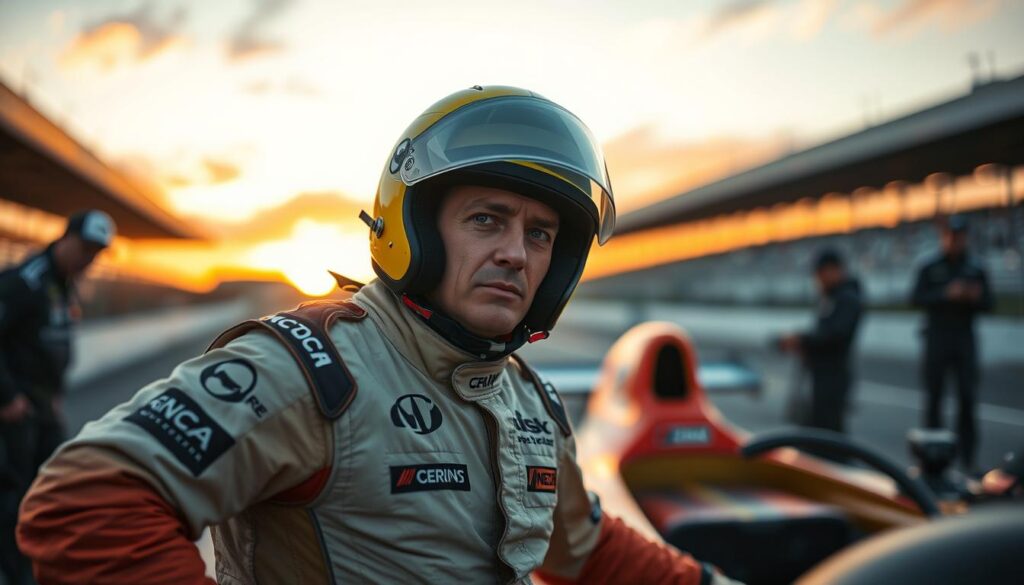
Rehab, Returning to Training, and Confidence Building
The path to recovery from a racing injury is lined with careful rehabilitation and gradual training. A well-structured plan is key for a successful return. Adhering to established guidelines can significantly influence the speed and quality of a racer’s comeback.
Understanding pain levels is a critical part of racing injury recovery. Matt Dixon from the Purple Patch Podcast suggests a “rule of thumb” for pain management. Pain under a 4 out of 10, if not sharp, might be manageable. Yet, if pain increases, it’s essential to stop and reassess. This cautious approach is not a sign of weakness but a strategic move to protect long-term performance.
Rehabilitation is an investment in a racer’s future. It involves a disciplined regimen of physiotherapy, strength training, and psychological support. Each session helps build confidence and physical strength. Achieving small victories, like a pain-free ride or a new strength milestone, helps rebuild self-belief.
The recovery journey is rarely solo. A strong support network is vital. This includes medical teams, coaches, and family, providing necessary resources and emotional support. As seen in the recovery stories of MotoGP legends like Sete Gibernau, a solid network makes the challenging process of returning to racing more manageable and encouraging.
| Recovery Phase | Focus Area | Key Activities |
|---|---|---|
| Initial Rehab | Pain Management | Physiotherapy, Ice Therapy |
| Strength Building | Physical Conditioning | Strength Training, Core Workouts |
| Return to Training | Gradual Reintegration | Light Rides, Technique Drills |
| Confidence Building | Mental Resilience | Visualization, Goal Setting |
In conclusion, returning to racing after an injury demands patience and a systematic approach. Viewing rehabilitation as a journey, not a race, can lead to lasting success. For more insights on effective recovery strategies, check out this recovery roadmap.
Racer Stories: Triumph After Setback
Resilience shines through in the inspiring stories of athletes who have faced setbacks. Professional triathlete Sarah Piampiano is a remarkable example. She suffered a broken femur during an Ironman event. This injury could have ended her career, but it marked a new chapter instead.
Sarah didn’t let despair take over. Unable to swim, bike, or run, she found new ways to contribute to her sponsors. This shift allowed her to overhaul her nutrition, strength, and technique.
After 18 months of hard work, Sarah won her first Ironman. This victory cemented her status as a world-class athlete. Her journey shows how resilience can turn a setback into success.
In MotoGP, Sete Gibernau faced severe injuries throughout his career. His fierce battles with Valentino Rossi were legendary. Despite violent crashes and rehabilitation challenges, he continued to race.
Sete’s return to racing was a testament to his perseverance. He rebuilt his physical strength and racing psyche. His determination proved that setbacks can be defining moments in an athlete’s legacy.
These stories of athlete resilience remind us of the power of determination. They show that setbacks are opportunities for growth and triumph.
Prevention and Risk Management Lessons
Racers encounter many hurdles, but comebacks in racing offer valuable lessons. Viewing an injury as a chance for growth is key. It’s important to look beyond the injury itself and understand its causes. This means examining training, recovery, nutrition, and technique.
MotoGP rider Sete Gibernau’s early injuries influenced his racing style. They made him more calculated and refined. This shows the value of managing risk. Each setback can teach future strategies, balancing the desire to win with body awareness.
Developing a pre-race routine can also improve focus and lower mistake risk. Techniques like taking three deep breaths can reduce hesitation. These small changes can lead to better performance and fewer errors.
The most successful comebacks are not just about returning to the past. They are about evolving into smarter, more resilient athletes. By focusing on continuous improvement, racers can maintain high performance while reducing setbacks. For more on improving performance, check out practical techniques and strategies.