

Race Weekend Preparation is not a single checklist pulled out on Friday morning. The 2026 NASCAR Cup Series showed that preparation is a layered routine: simulator time, practice structure, tire planning, track-limit awareness, rest, and patient driving all shape what a driver can do once the green flag drops. For club racers, bike racers, karting families, and weekend crews, the lesson is practical: speed starts long before the first timed lap.
The recent Cup races also showed how preparation affects the people around the driver. A racer who arrives with clear notes, a rested body, and a calm plan gives the crew a better job to do. That matters in local paddocks, where family members may be handling fuel, tire pressures, food, travel, and setup changes between sessions. Good technique is not only brake release or throttle pickup; it is the habit of giving your support group a plan they can trust.
What NASCAR Shows About Race Weekend Preparation
Race Weekend Preparation Starts Before Practice
Frontstretch reviewed the first four road or street-course races of the 2026 Cup Series and noted that the road-course layouts were fewer and bunched earlier compared with 2025, which reduced the spacing between those disciplines in the schedule, according to its road-course review. That kind of calendar pressure rewards drivers who can switch techniques quickly instead of treating each track as a one-off problem.
Chris Buescher stood out in the 2026 road-course discussion because NASCAR reported that he had averaged a 9.76 finish on road courses since the Next Gen chassis debuted in 2022, as covered in its Buescher road-course feature. The lesson for grassroots racers is not to copy a Cup setup; the lesson is to build repeatable learning habits. If you are racing a motorcycle, kart, or stock car at a new venue, arrive with a plan for visual markers, shift points, tire behavior, and passing zones before you ask for more pace.
For smaller teams, Race Weekend Preparation should include a short driver briefing before any session. Write down the corners where you expect heavy braking, the corners where exit speed matters most, and the spots where traffic may block your view. That is simple, but it gives the crew context when you return saying the front end pushes, the rear moves under braking, or the tire feels slow to come in.
Track Limits Change Technique
At the May 6, 2026 Watkins Glen road-course event, the research notes identified three preparation factors: cooler temperatures in the 60s Fahrenheit, added tire packs in Turns 1 and 5 to enforce track limits, and a race distance increase from 90 to 100 laps at the 2.45-mile facility. Those changes affected how drivers had to think about entry commitment, margin, and tire life.
At Circuit of the Americas on February 28, 2026, AJ Allmendinger discussed how tire packs in runoff and apex areas forced drivers to plan how aggressively they would cut corners, especially in traffic where reference markers could be hidden. That is a direct technique lesson for riders and drivers alike. If you cannot see your marker, guessing at the apex is not bravery; it is a risk that can bring penalties, damage, or a compromised exit.
A practical habit is to create a primary marker and a backup marker for each high-commitment corner. The primary marker may be a board, curb start, or surface change. The backup marker may be a tree line, marshal post, or pavement seam. If traffic hides one cue, the second cue keeps the lap from turning into a panic reaction.
Practice Time, Tires, And Setup Discipline
Longer Sessions Reward Clear Notes
For the August 22, 2026 New Hampshire race preparation, the research notes pointed to restored full-field 50-minute practice sessions, except at superspeedways, along with an extra set of tires tied to those sessions. The reported value was straightforward: drivers could learn handling in traffic and refine setup for both speed and tire longevity. That is the same tradeoff club racers face during a track day or race weekend.
More laps do not automatically produce better answers. A rider who runs a longer session without notes may only collect impressions. A prepared racer separates the session into tasks: first confirm braking markers, then test drive off the corner, then check how the tire feels after heat builds, then ask whether the setup still works in traffic. If you make one change at a time, the crew can connect feedback to the bike or car instead of chasing noise.
We covered a related local-racer angle in our piece on NASCAR practice formats, and the same principle applies here: practice time has value only when the team knows what question each run is trying to answer.
Tire Life Is A Driving Skill
Tires are gear, but tire life is also technique. The Cup examples from New Hampshire and Watkins Glen showed how session length, temperature, distance, and traffic all shape the tire conversation. A racer who overheats the tire early may still feel quick for a few laps, but the crew has to prepare for the full run, not the best isolated corner.
For motorcycles, this means smoother pickup at corner exit, less abrupt bar input, and honest pressure checks at the right time. For cars, it can mean cleaner braking release, less slide angle, and knowing when not to defend a low-value position. The shared idea is simple: the tire is a limited tool, and the driver or rider decides how quickly that tool gets spent.
- Before practice: set a tire-pressure plan, mark starting pressures, and agree who records hot pressures.
- During practice: separate learning laps from push laps so feedback is easier to read.
- After practice: log wear, temperature feel, grip drop-off, and whether traffic changed the line.
- Before the race: decide where patience protects the tire and where track position is worth using it.
Mental Reset And Driver Health
Patience Beats Forced Passes
Connor Zilisch’s 2026 rookie Cup campaign offered a clear patience lesson. After two early finishes of 30th or worse at the Daytona 500 on February 15, 2026 and Atlanta, the research notes said he aimed to lean on Trackhouse’s strong road-course program and make smart moves instead of forcing aggressive early passes. That is not passive driving. It is controlled decision-making.
In amateur racing, the same mindset protects equipment and relationships. A forced move in the first third of a race can bend parts, end a weekend, and leave the crew scrambling. A patient rider still attacks, but the attack is based on repeatable cues: better drive, a cleaner brake release, or a mistake from the racer ahead. The pass should come from preparation, not frustration.
Rest Belongs In The Plan
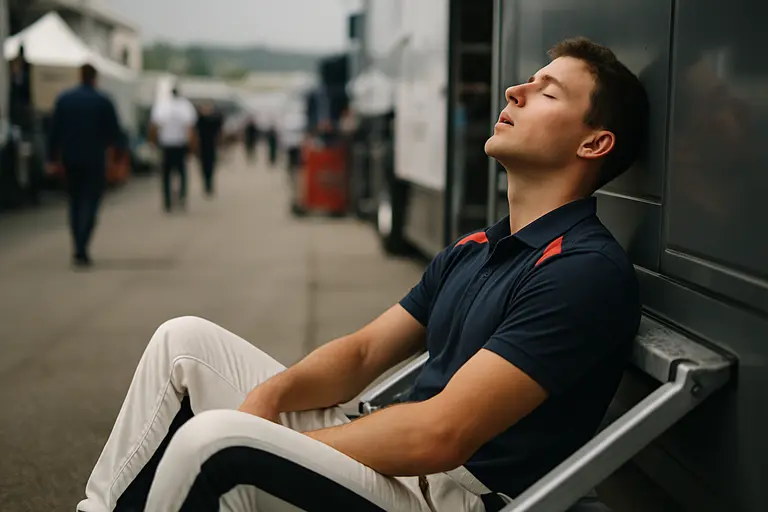
On August 25, 2026, Tyler Reddick revealed he had been diagnosed with a sleep breathing disorder and began using treatment with a CPAP system while tracking through ResMed, according to the research notes. The reported benefit was better consistency in preparation and energy through a stretch of 11 races, 10 of which counted toward the championship.
That example matters because racers often treat sleep as optional during travel-heavy weekends. Rest is not a luxury item in the trailer. It affects reaction time, patience, communication, and the ability to give useful feedback after a session. A club racer may not have Cup-level resources, but they can still protect sleep windows, prep gear earlier in the week, and avoid turning midnight maintenance into a habit.
That cross-sport respect for preparation also shows up outside motorsports. Athletes who study routine, rest, and repeatable mechanics will recognize the same pattern at a related site in the same network, FSGolf, where preparation supports performance even in a very different sport.
Race Weekend Preparation For Club Racers
Good Race Weekend Preparation for local racers should be built around what the 2026 Cup examples confirmed: learn the track before the session, respect changing conditions, use practice with intent, protect the tires, and keep the driver or rider mentally steady. None of that requires a factory hauler. It requires a crew that communicates and a racer willing to turn notes into action.
Start with a one-page weekend sheet. Include session times, tire starting points, fuel plan, torque checks, chain or driveline checks, brake-pad status, weather notes, and driver goals for each session. Keep the language plain so every helper can use it. If a family member is managing food and hydration, put that on the plan too. If a friend is reading tire pressures, make sure they know when to take them and where to write them.
The strongest lesson from the recent NASCAR Cup races is that preparation is shared. The driver brings feedback. The crew brings order. Family and friends bring the support that keeps a long weekend from becoming a grind. Technique improves fastest when the whole paddock group understands the plan, trusts the routine, and has enough calm left to make the next session better than the last.