

Racing is more than just speed; it’s a thrilling journey that intertwines with the lives of those we hold dear. The adrenaline rush of the racetrack is amplified when shared with loved ones. NASCAR driver Matt Crafton aptly captures this sentiment, saying, “Nothing beats sharing the dirt racing experience with my family and having them involved in the process.” This captures the essence of how racing becomes a collective adventure.
When a driver hits the track, they are not alone. Each victory and setback is felt by their entire circle. The shared experience fosters deep connections, where the garage becomes a space for bonding, learning, and celebration. The effort put in by loved ones enhances performance and creates cherished memories.
This article explores how racing with family and close ones can significantly impact success on the track. It emphasizes that the journey is a two-way street, where support and motivation flow both ways. To dive deeper into the dynamics of training, check out this insightful piece on solo versus group training.
Why a Strong Support Network Matters
A strong support network is essential for any athlete’s success. In the intense world of racing, mental strength is boosted by a dependable support system. Family and friends are key in creating an environment where athletes can excel.
David Klaus, Director of Briggs Racing, highlights the importance: “I am passionate about racing because I love it. The families, friends, adrenaline, and nerves on the warm-up lap make it my life.” His words underscore the critical role of a supportive community in keeping the passion alive.
A robust athlete support network offers emotional grounding and stress reduction. When racing’s inevitable ups and downs occur, knowing family and friends are there can be transformative. This network combats burnout and reinforces an athlete’s love for the sport.
Further, a positive environment nurtured by loved ones fosters a sense of belonging. This is vital in a demanding sport like racing, where mental health is as important as physical fitness. By ensuring athletes feel supported, we help them face challenges with resilience and joy.
In conclusion, the emotional benefits of a strong racing family support system are immense. It is this support that keeps the joy of racing alive, allowing athletes to pursue their passion with enthusiasm and determination.

The Roles Loved Ones Play (Logistics, Moral Support, Sponsorship)
In the world of racing, the contributions of family and friends are often the unsung heroes behind every successful racer. These loved ones play vital roles in logistics, moral support, and sponsorship. Their efforts make the racing experience more enjoyable and sustainable.
Logistics is a critical area where family and friends step in. They handle tasks like transporting equipment and preparing meals. This allows the racer to focus on performance on the track. Managing schedules and maintaining the vehicle can be overwhelming, but a supportive team makes it manageable.
The moral support provided by loved ones is invaluable. During tough races or setbacks, a simple word of encouragement can make all the difference. Celebrating small victories together fosters a sense of unity and motivation. This emotional backing is essential, as it helps the racer push through challenges and strive for improvement.
Financial realities also play a significant role in racing. Many families act as the first sponsors, funding the dreams of their loved ones. As David Klaus pointed out, controlling costs is key to making racing accessible. Platforms like the Briggs 206 engine are great examples of cost-effective solutions that ensure racing family support remains sustainable without leading to financial strain.
Here’s a breakdown of the roles played by family and friends:
| Role | Description | Impact on Racer |
|---|---|---|
| Logistics | Transporting equipment, preparing meals, managing schedules | Allows focus on performance |
| Moral Support | Encouragement during setbacks, celebrating victories | Boosts motivation and resilience |
| Sponsorship | Financial backing for racing endeavors | Ensures sustainability and accessibility |
Ultimately, the roles of loved ones in racing go beyond mere support; they create a foundation for success. By working together, families can make racing not only competitive but also fun. For more insights on racing dynamics, check out this informative article.
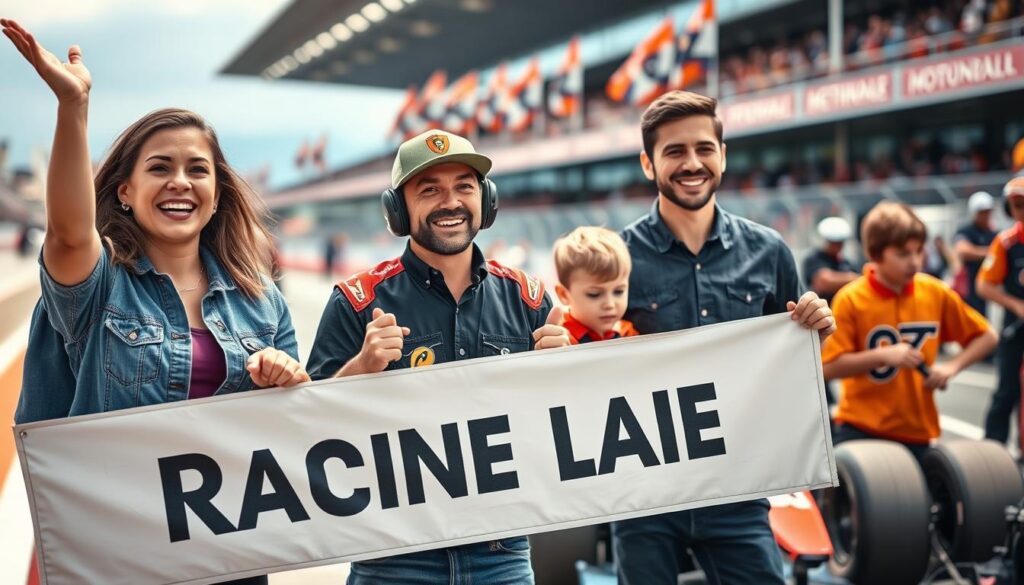
Communication Tips for Athletes and Supporters
Effective communication is key for athletes and their supporters. In the intense world of motorsports, misunderstandings can lead to strained relationships. Here are some actionable tips to help both parties navigate these challenges.
For Athletes:
- Express Gratitude: Regularly thank your supporters for their encouragement and sacrifices. A simple “thank you” can strengthen bonds significantly.
- Separate Feedback: When discussing performance, make it clear that feedback is about racing, not personal criticism. This prevents hurt feelings.
- Schedule Non-Racing Time: Set aside time to spend with loved ones away from the track. This helps maintain balance and reinforces relationships.
For Supporters:
- Provide Constructive Encouragement: Focus on uplifting comments instead of unsolicited technical advice. This fosters a positive environment.
- Read Emotional States: After a race, be attentive to the athlete’s emotional state. Understanding their feelings helps in providing the right support.
- Communicate Your Needs: Share your feelings and needs with the athlete. Open communication prevents resentment from building up.
By following these tips, both athletes and their supporters can ensure their shared passion for racing strengthens their relationships. A solid athlete support network is essential for achieving success in racing.
| Tip | For Athletes | For Supporters |
|---|---|---|
| Express Gratitude | Thank supporters regularly | Offer positive reinforcement |
| Separate Feedback | Clarify performance vs. personal | Focus on encouragement, not advice |
| Schedule Time | Spend time away from racing | Be attentive to emotional needs |
Real-Life Examples
In the world of racing, family support stories are as captivating as the races themselves. Professional driver Matt Crafton shares his experience, stating, “Nothing beats sharing the dirt racing experience with my family… We work, we bond, we feel the adrenaline, and we celebrate every win, together.” This sentiment highlights how racing with family not only enhances the experience but also strengthens relationships.
Crafton’s words reflect a universal truth in the racing community: family involvement is a key ingredient in achieving success. When family members work together, they create a supportive environment that fuels the driver’s passion and determination.
David Klaus, a seasoned racer, also emphasizes the importance of community in his journey. He states, “From the families and friends I have met to the adrenaline and nerves I feel on the warm-up lap, it’s my life.” Klaus’s experience shows that the network of families and friends is vital for sustaining a lifelong passion for racing.
These real-life examples demonstrate that racing family support is not just a personal advantage; it is a fundamental aspect of the sport. Whether in grassroots karting or professional NASCAR, the shared experiences among family members create a solid foundation that allows drivers to perform at their best.
As you consider the role of family in racing, remember that these connections are what make the journey memorable. They are the reason behind the victories and the comfort during defeats. For more insights on supporting loved ones in their passions, check out this guide on supporting grieving family members and.
Strengthening Bonds Through Sport
Racing is more than a competition; it’s a way to deepen connections with family and friends. David Klaus passionately stated that the families and friends he met through racing have become his life. This captures the essence of how racing with family creates lasting memories and bonds.
The shared experiences in the pits, the thrill of the race, and the challenges faced together foster a unique camaraderie. When families support a racer, they engage in collaborative problem-solving. This teamwork builds trust and understanding, showing the importance of supporting family & friends in every aspect of life.
Every race is an opportunity to strengthen these relationships. The excitement of crossing the finish line together is as significant as the victory itself. It’s the journey, the late-night preparations, and the collective celebrations that truly matter. Investing time in racing with family not only enhances the sport but also enriches personal connections.
In conclusion, the legacy of racing goes beyond trophies and checkered flags. It lies in the deep, enduring relationships formed along the way. By embracing the spirit of racing and the support of loved ones, everyone can experience the joy of building a strong network that thrives both on and off the track.