

Participating in a race away from home can be thrilling yet challenging. The 24 hours leading up to the event are critical. They can significantly impact the months of hard work and training you’ve put in. As an amateur athlete, understanding the unique demands of race day logistics is vital.
When you travel for a race, you face several important factors. You need to think about when and what to eat, how to adjust to a new time zone, and how to navigate an unfamiliar city. It’s essential to arrive at least one or two days before the event. This extra time allows you to settle in, manage unexpected travel delays, and even explore the area.
For those racing across multiple time zones, arriving earlier is beneficial. It gives your body time to adjust, ensuring better sleep, meals, and digestion. Consider securing travel insurance. Providers like World Nomads offer coverage for emergency medical expenses, baggage loss, and trip cancellations, providing peace of mind for your race journey.
Preparing a Packing & Gear Checklist
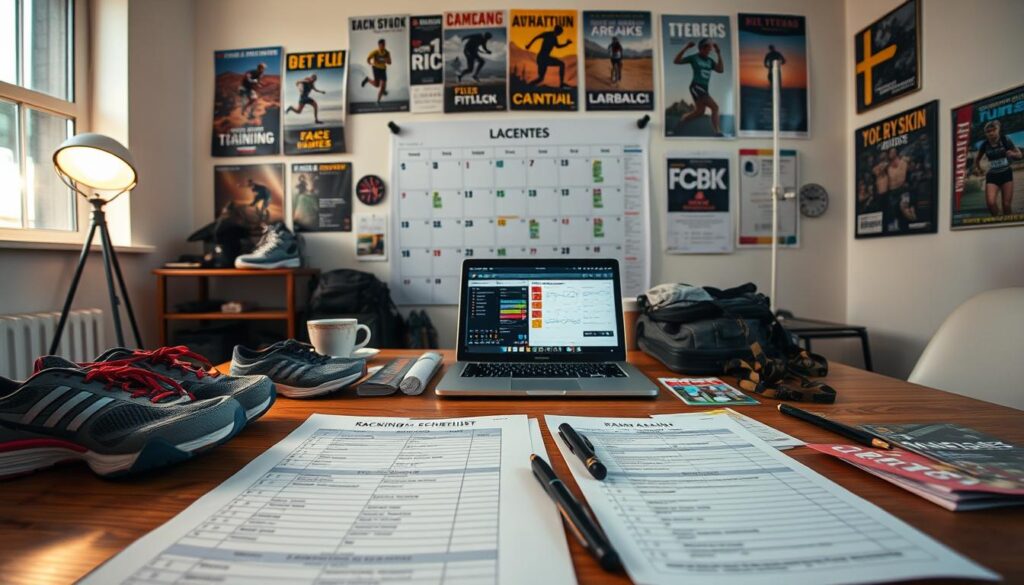
Creating a packing checklist is essential for any athlete heading to a race. A well-planned list can streamline race day, letting you focus on your performance. It prevents the stress of forgetting important items.
It’s vital to separate carry-on essentials from checked items. Place your most valuable gear in your carry-on. This includes:
- Running shoes
- Race kit
- Socks
- Race bib and safety pins
- Watch and charger
- Fuel and hydration products
- Warm-up layers
For ultra races, pack only the essentials for Aid Station 1. You can pick up more later, which eases your load early on.
Reduce morning anxiety by laying out clothes and packing your race bag the night before. This simple act boosts your organization and readiness. Also, pin your bib to the innermost layer to avoid morning re-pinning.
World Nomads suggests carrying on vital items to avoid losing them. Remember, baggage and personal effects protection can cover lost or damaged gear, giving you peace of mind.
Here’s a quick reference table to help you create your packing checklist:
| Item | Carry-On | Checked Bag |
|---|---|---|
| Running Shoes | ✔️ | |
| Race Kit | ✔️ | |
| Fuel Products | ✔️ | |
| Extra Clothes | ✔️ | |
| Warm-Up Layers | ✔️ |
By adhering to these packing tips and maintaining a detailed checklist, you can ensure a successful race. Preparation is the key to enjoying your racing experience!
Managing Transportation and Accommodations
Planning your transportation and accommodations is key to a great race experience. Getting to the track and knowing where to stay are essential. Arrive at the venue a day before the event. This helps you get familiar with the area and the start line.
During your visit, take note of important details. Find out where to park, the best drop-off points, and how long it takes to walk to the starting area. Use a mapping app to mark the venue and text it to yourself. This is handy for areas with poor cell service.
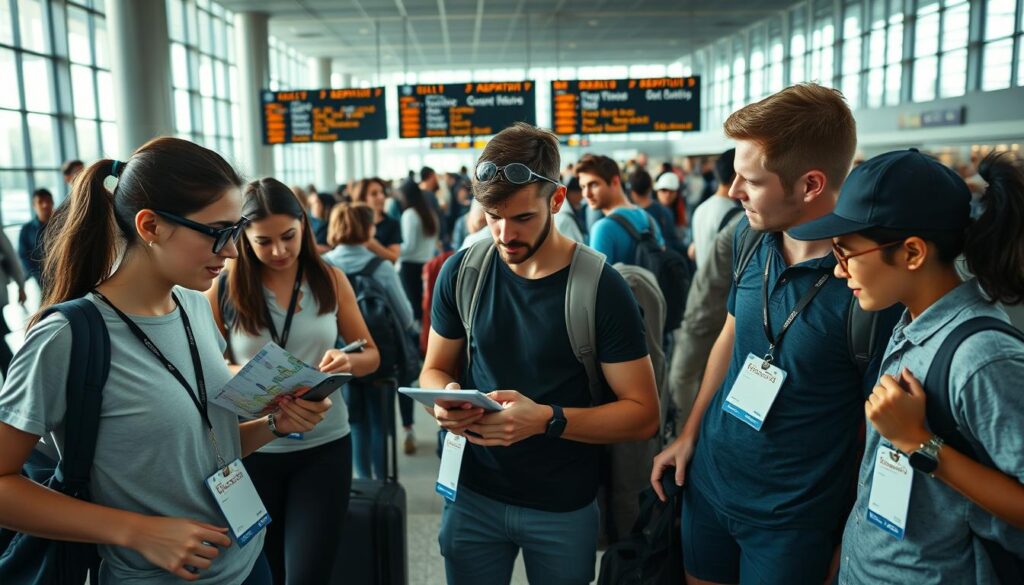
Confirm all logistical details the day before the race. Check parking, road closures, and shuttle or bus schedules. Also, verify rideshare options, bag-check procedures, and bathroom locations. Knowing the distance from the drop-off point to the start line is vital for planning your morning.
To have a smooth race day, plan backward from the start time. Create a timeline for your wake-up, breakfast, bathroom breaks, and travel to the venue. Remember to include parking or shuttle times, bag check, warm-up, and your arrival at the start line.
Always add extra buffer time. Unexpected delays can happen, like on unfamiliar roads or in crowded parking lots. Long bathroom lines are common at big track events. Planning ahead can save you stress on race day.
Nutrition and Hydration on the Go
Traveling for a race requires careful attention to your nutrition and hydration. It’s not the time to experiment with new foods or habits. Instead, stick to what you know works best for your body. Pack snacks, breakfast foods, hydration products, and race fuel that you’ve tested before. Don’t count on finding what you need in local stores, which can be a challenge in smaller towns or abroad.
Research nearby grocery stores and restaurants that offer familiar meal options before you leave. This approach helps you maintain your nutrition plan without stress. Eat your largest meal the day before the race as a late lunch. Then, have a smaller, carbohydrate-focused dinner. This allows your body to digest and prepare for the race.
Incorporating warm liquids like half a cup of warm water or coffee can stimulate digestion. Light movement outside can also help. If you’re crossing time zones, give yourself extra time in the morning. Don’t assume your usual routine will adjust immediately to the new schedule.
- Pack familiar snacks: Energy bars, nuts, and dried fruits are great options.
- Stay hydrated: Bring your preferred hydration products, such as electrolyte tablets or powders.
- Plan your meals: Identify restaurants that serve meals similar to what you typically eat.
- Adjust your meal timing: Shift your eating schedule gradually to align with the new time zone.
Consistency in your nutrition is key to successful race travel. By following these race travel tips, you can ensure your body is fueled and ready to perform at its best.
Tips for Reducing Travel Stress
Traveling for races can often feel overwhelming, but there are effective strategies to keep stress at bay. One of the best ways to prepare is to carve out intentional downtime in your race morning routine. For instance, putting on headphones and taking five minutes to relax can set a positive tone for the day.
During this time, focus on visualization. Picture yourself at the starting line, executing your race plan perfectly. This mental rehearsal can boost your confidence. Also, remind yourself of three things you are grateful for. This practice can help shift your mindset, making you feel more grounded and ready.
Another key tip is to arrive early enough to settle in. This means allowing yourself extra time to adapt to your surroundings. If you’re racing in a high-altitude location, consider arriving a few days in advance. This will give your body time to acclimate, which is essential for optimal performance.
Stick to familiar foods and routines as much as possible. Keeping your race gear in a carry-on bag is also a smart move. This way, you have immediate access to everything you need, minimizing last-minute scrambles.
Visiting the start line ahead of time can also ease anxiety. Familiarizing yourself with the environment can help you feel more comfortable when race day arrives. The more logistics you handle before race morning, the more energy you can save for the race itself.
Lastly, confirm all reservations and schedules before you leave. Having contingency plans for common travel disruptions will give you peace of mind. Remember, managing stress is not a luxury; it’s a vital part of being race-ready.
Real Racers’ Advice: What Works Best
Amateur athletes can gain a lot from seasoned racers’ wisdom. They share practical tips for traveling to track events. A key piece of advice is to arrive at least one or two days before the race. This allows time to get used to the local environment and adjust your routine.
Quickly adapting to a new time zone is essential. Try to match local time as soon as you can. This helps keep your energy up and ensures you’re ready for the race. It’s also important to stick to familiar foods and gear. Trying new things on race day can cause unexpected issues.
Before you travel, consider talking to a doctor, if you have health concerns or are going to high altitudes. Using telehealth services can make this easier. When choosing travel insurance, look for plans that cover races, like World Nomads’ Explorer Plan. It includes emergency medical expenses and trip cancellation coverage.
It’s important to know what’s not covered, like professional sports and unattended equipment. With good preparation, athletes can focus on performing their best during the race.