

VP Racing Endurance is set to change the daily rhythm for teams, drivers, crews, and families connected to the IMSA VP Racing SportsCar Challenge. Starting in 2027, the series moves fully into endurance racing, with every event built around one multi-class race rather than sprint-only rounds. For the people inside a paddock, that is not just a schedule note. It changes how drivers share a car, how crews rehearse stops, how families plan travel, and how small teams protect energy across a race weekend.
VP Racing Endurance Format Changes In 2027
The 2027 format gives teams a clear target: prepare for longer races every time they unload. IMSA announced that each event will feature a single multi-class endurance race, with race lengths ranging from 90 minutes to three hours across seven race weekends, according to the official IMSA format announcement. That means every entry has to think beyond raw pace and qualifying speed.
For drivers who came through shorter race formats, the change adds a different kind of pressure. A fast opening stint still matters, but so does the ability to hand over a clean car, save tires when needed, manage traffic, and stay patient through class interactions. In a multi-class field with LMP3, GSX, and the new BMW M2 Racing class, preparation has to include awareness of different closing speeds and different race goals happening at the same time.
VP Racing Endurance Schedule Basics
The 2027 calendar includes seven race weekends. Research lists Sebring International Raceway on February 26-28, 2027, with a two-hour race; Watkins Glen International on July 2-4, 2027, with a three-hour race; Michelin Raceway Road Atlanta on September 10-12, 2027, with a three-hour race; and Lime Rock Park on September 23-25, 2027, with a 90-minute race. RACER also reported the Watkins Glen, Road Atlanta, and Lime Rock dates in its 2027 format report.
Those dates show why preparation cannot be copied from one weekend to the next. A 90-minute race at Lime Rock asks different questions than a three-hour race at Watkins Glen. The same team may need a tight stop plan for one round, then a deeper fuel, tire, and driver comfort plan for another. The calendar gives structure, but each venue still asks the crew to adjust with care.
Why Race Length Alters Team Rhythm
Longer races stretch the whole operation. The driver has to stay sharp longer. The co-driver has to be ready at the right time, not simply fast in isolation. The crew has to work within the minimum pit-stop time rule, and only three crew members may work on the car in pit lane during a stop. That limit puts a premium on clear job assignments.
In the garage, this format also changes the feel of the weekend for parents, partners, friends, and supporters. They often become the quiet structure behind the entry: meals, hydration, sleep reminders, travel notes, and calm words after a rough session. Endurance racing rewards that kind of steady support because small human details can shape how well a team holds together.
Driver Pairings And Athlete Preparation
Every entry in 2027 must have two drivers per car. At least one driver in each lineup must hold an FIA Bronze or Silver rating. Platinum drivers are not allowed, and Gold drivers can only partner with Bronze-rated drivers. That rule set makes driver pairing one of the first major preparation tasks for any team considering the full season.
VP Racing Endurance will ask teams to think about fit, not just speed. A pairing needs shared expectations, similar communication habits, and enough trust to talk honestly about setup feel, traffic, fatigue, and mistakes. In club and development-level paddocks, those conversations can be hard, especially when budgets and personal time are tight. The best preparation starts with making roles plain before the trailer leaves home.
Rating Rules Shape The Cockpit
The rating rules also put value on Bronze and Silver drivers in a visible way. The introduction of the Airbnb Bronze Cup brings dedicated podiums per race and for the full season. The research notes also state that the LMP3 Bronze Cup champion earns an invitation to the 2028 Rolex 24 at Daytona, while the GSX driver champion earns US$50,000 in IMSA scholarship credit.
For many racers, incentives like those can mean more than a trophy. They can help define a path from learning to leadership. Still, teams should avoid building a program around reward talk alone. The more practical lesson is that driver development, honest coaching, and consistent seat time become central parts of the plan.
Stamina Plans Start Before Sebring
The first listed 2027 event at Sebring International Raceway on February 26-28 gives teams a fixed point for winter preparation. A two-hour endurance race is long enough to expose weak routines. Driver changes, cockpit comfort, hydration, and radio clarity all need practice before the first green flag of the new format.
This is where the racing lifestyle becomes a family and team effort. A driver may handle the training, but supporters often help guard the schedule around work, school, travel, and home life. For more on how racers can use preparation and reset habits in longer events, our piece on endurance racing insights connects well with the same kind of race-day mindset.
Pit Work, Crew Roles, And Car Reliability
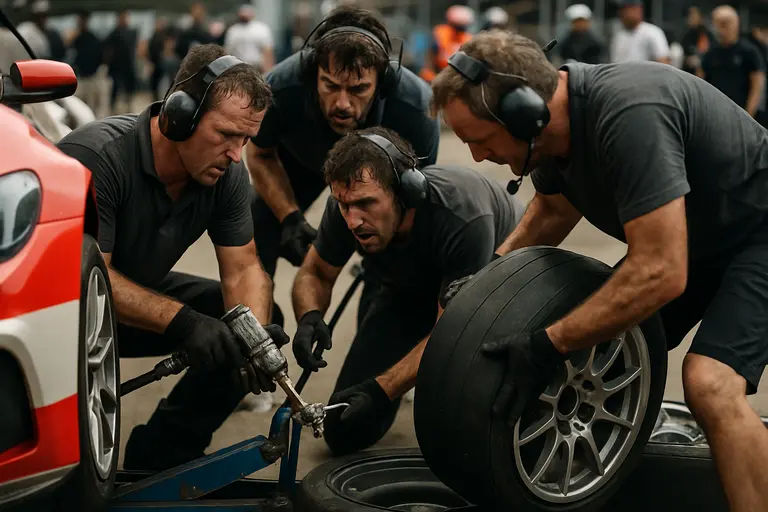
VP Racing Endurance places more weight on repeatable pit work. Since stops have a minimum time requirement and only three crew members may work on the car in pit lane, teams need choreography that is simple enough to repeat under stress. A rushed stop can lead to confusion. A calm stop can protect the car and the drivers.
That does not mean every team needs a huge operation. It means every person needs a clear task. One crew member may focus on a specific service job, another on a separate car task, while another watches timing and flow. The exact structure will depend on the car and class, but the research-backed rule is simple: three crew members in pit lane means no wasted motion.
Three Crew Members Raise The Value Of Repetition
Repetition is one of the most practical tools in racing. A small crew can build confidence by rehearsing the same sequence until it feels natural. Driver belts, door procedures, radio checks, and tire or service tasks should be practiced with the same calm voice and order each time. That kind of rhythm helps when a driver climbs out tired or a co-driver gets in with the race clock still moving.
Families and friends can help here without needing to touch the car. They can support the checklist culture that surrounds a team: keeping paperwork in order, tracking session times, helping drivers eat at the right time, or simply giving the crew space before a stop. That support is often invisible from the grandstands, but it is part of how a small race program survives longer weekends.
Practice Windows Put A Premium On Priorities
Each 2027 weekend includes two 50-minute practice sessions. Qualifying is split into one 15-minute session for LMP3 and one 15-minute session combined for GSX and BMW M2. Those time windows force teams to be honest about priorities. A team cannot spend endless laps searching for perfection.
Practice plans should answer basic questions before the car rolls: Which driver needs early laps? Which setup items matter most? When will the team rehearse driver change details? What data or driver feedback is needed before qualifying? The format rewards teams that arrive with a plan simple enough to follow, then adjust based on what the car and drivers report.
Car reliability also moves higher on the list. The series will use third-generation LMP3 cars powered by Toyota’s 3.5 L V35A engine, GSX cars aligned with SRO GT4-homologated cars, and a new one-make BMW M2 Racing class replacing GTDX. The research notes also state that older Ligier JS P320 models can be upgraded through conversion kits for the newer Ligier JS P325. Teams should treat parts planning, spares, and service intervals as part of performance, not as chores pushed to the end of the week.
What VP Racing Endurance Means For The Paddock
The move to endurance racing gives the VP Racing SportsCar Challenge a more shared-car identity in 2027. It rewards patience, preparation, and trust among drivers. It also gives crew members and supporters more visible influence because longer races leave less room for weak habits.
For grassroots-minded teams, the key is not to copy a factory-style operation. The key is to build a repeatable race weekend. Confirm driver roles early. Practice pit tasks with the exact people who will do them. Keep family communication clear so travel, meals, and rest are not left to chance. Review the two practice sessions with purpose. Treat the 90-minute races and three-hour races as related, but not identical.
As a racing community, we often talk about speed first. This format reminds us that endurance racing is also about people holding steady together. A co-driver who protects the car, a crew member who keeps the stop calm, a parent who handles the long drive home, and a friend who keeps the mood grounded all matter. For readers interested in broader sports stories across our network, the site noticiasbo.com offers related coverage beyond the paddock. Here at Triple T Powersports, this shift is worth watching because it shows how preparation becomes a shared responsibility long before the race clock starts.