

Grief In Racing became a public reality for Austin Hill after Kyle Busch died on May 21, 2026, at age 41 after severe pneumonia progressed into sepsis, according to an AP report. Hill’s move into Richard Childress Racing’s renumbered No. 33 Cup car was not just a seat change. It asked a driver, a race team, families, and supporters to keep working while mourning a major loss.
That is a heavy place for any athlete to stand. Racing already demands quick judgment, physical stamina, and trust in the people preparing the car. After Busch’s death, the pressure around Hill carried a different tone. The garage had to respect grief while still managing travel, setup work, media duties, and competition. For a racer, that means the mental work is not separate from race-day performance. It sits beside the helmet, the belts, the radio, and the notebook.
How Grief In Racing Reached The Garage
Grief In Racing And The First Quiet Hours
Less than 48 hours after Busch’s death, drivers, officials, and fans gathered at Charlotte Motor Speedway on May 23, 2026, as the RCR car entered the garage in silence. The No. 8 entry had been renumbered to No. 33 shortly after Busch’s death, and RCR later appointed Hill to drive the No. 33 car for the rest of the 2026 NASCAR Cup Series season on June 7, 2026.
Those dates matter because they show how little time separated loss, public remembrance, and the need for a working plan. A Cup team cannot pause every system around it, but the people inside that system still need space to process what happened. Hill was reported to have questioned whether he was capable and mentally strong enough to step into the role. He also committed to the task, saying that if someone had to do it, it might as well be him. That tension is real for racers at every level: respect the loss, respect the team, and still be honest about what the moment is asking of you.
The Team Around The Driver
For teams, Grief In Racing is not handled by one speech or one decal. It is carried through small decisions. Who checks in with the driver before practice? Who keeps media requests from crowding recovery time? Who makes sure the driver eats, hydrates, rests, and has quiet moments away from the garage noise? Those jobs may sound basic, but they can protect focus when emotions are high.
From a gear and preparation standpoint, the best support often looks simple. Keep the driver’s equipment routine familiar. Lay out the helmet, gloves, shoes, cooling gear, and hydration supplies the same way each time. Confirm radio fit and volume early so the driver is not fighting distractions once strapped in. In a hard emotional week, familiar steps can give the athlete a stable base without pretending the sadness is gone.
The Mental And Physical Load On Stock Car Drivers
What The Research Shows
The strain on stock car drivers is not only emotional. A 2012 study of 40 drivers reported that upper-body strength was rated the most important physical demand, while back and torso injuries were the most common; the same study found that the strength of resistance training correlated with better race standings, as shown in this stock car driver study. That finding fits what crews see in the shop and at the track: the driver is an athlete managing steering load, heat, restraint systems, vibration, and long periods of decision-making.
Head injuries, including concussions, were reported less often in the research notes, but were more likely to require medical attention. That is a reminder for families and local teams not to treat mental sharpness as a soft topic. If a driver is distracted, exhausted, or emotionally overloaded, the whole support group should take that seriously and respond with care, not pressure.
Why Routine Matters Under Pressure
Hill’s June 2026 win at the Naval Base Coronado street course in San Diego came after Busch’s death, at a time when RCR was still carrying grief and expectations. His July 5, 2026 Cup race at Chicagoland Speedway ended early in Stage 1 after contact from Shane van Gisbergen, and NASCAR later said on July 8, 2026, that it would meet with both drivers to review the clash, with no penalty issued. Those two moments show the wide emotional range a driver can face in a short span: relief, pride, frustration, public scrutiny, and the need to reset.
A good race-day routine cannot remove pain, but it can reduce avoidable stress. Teams can assign one person to manage schedule reminders, one to handle gear checks, and one to keep family communication clear. Families can help by asking what kind of support the driver wants before the race instead of guessing after emotions rise. For families building their own race-week rhythm, our piece on support off the track fits this same theme of shared responsibility.
Community Support That Helps Racers Cope
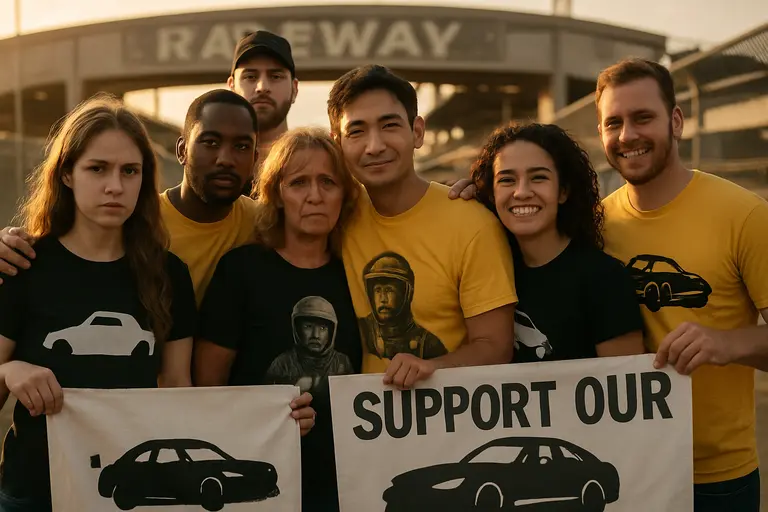
Support Without Crowd Pressure
Motorsports communities are close. That closeness can comfort a driver, but it can also feel heavy if everyone expects a perfect response. Supporters should give drivers room to be quiet, direct, or emotional without judging the reaction. A racer does not need to turn grief into a public message every time they put on a firesuit.
Crews can help by using plain language. “We have your gear ready.” “We will handle the schedule.” “Take five minutes if you need them.” Those statements do more than motivational slogans because they remove tasks from the driver’s plate. Parents, spouses, friends, and crew members can also agree on boundaries before race day, such as who speaks with media, who manages guests, and who gives the driver space after a difficult session.
- Keep routines visible: Post the race-day schedule where the driver and family can see it.
- Limit extra decisions: Prepare gear, meals, and travel details before emotions run high.
- Use one clear contact: Assign one person to pass updates between crew and family.
- Respect quiet time: Give the driver space after practice, qualifying, or an incident.
- Watch for fatigue: Treat poor sleep, low appetite, and short temper as signals to slow the pace.
Shared Lessons Across Sports
Racing is unique, but athlete support has common threads across sports: preparation, trust, honest conversation, and recovery. That cross-sport connection is why our network also highlights golf community coverage, where the mental aspect of competition is part of an athlete-first discussion.
The key is to keep the person ahead of the result. A driver stepping into a difficult seat needs setup notes, clean gear, and a fast car, but also needs people who understand that grief can surface at strange times. It may show up during travel, after a good finish, or after a minor mistake. Support works best when it stays steady instead of changing with the scoreboard.
Austin Hill And Grief In Racing
Hill’s 2026 season after Busch’s death showed how public loss can land directly inside a working race team. He had to answer competitive demands while honoring a painful moment for RCR and the NASCAR community. The supported facts do not require exaggeration. The dates, the renumbered car, the Charlotte silence, the June appointment, and Hill’s own stated doubts were enough to show the weight of the situation.
Grief In Racing asks more from a team than speed. It asks people to build routines that protect the driver, keep communication honest, and make room for mourning without letting the athlete feel alone. For local racers, the same lesson applies at a smaller scale. Check the belts, radio, cooling gear, and tires, but also check the person climbing through the window. Performance starts with preparation, and preparation includes the people standing beside the car.