
The Riley Herbst concussion after the August 23, 2026 crash at New Hampshire Motor Speedway became more than a race-week injury note. It showed how quickly a driver’s health plan can change, even after testing, travel, qualifying, and a full team schedule have already been built around competition.
For racers at any level, Herbst’s experience offered a clear reminder: symptoms deserve respect, and a smart paddock is one that treats health decisions as part of performance preparation. The lesson is not to guess at recovery or compare one driver to another. It is to listen, report symptoms, follow medical direction, and make space for the human side of racing.
What The Riley Herbst Concussion Showed
Riley Herbst Concussion Timeline
Herbst sustained a concussion in a crash at New Hampshire Motor Speedway on August 23, 2026, in an incident involving Michael McDowell and Connor Zilisch, according to On3’s report. That fact matters because concussion symptoms are not always simple to read from the outside. A driver can climb from a car, speak with people, and still need structured medical review before returning to full race demands.
The next key date was August 29, 2026 at Daytona International Speedway. Herbst had qualified fifth for the Coke Zero Sugar 400 on August 28, but was withdrawn from the race the following day because of lingering effects from the New Hampshire crash. Harrison Burton drove the No. 35 Toyota in his place, as NASCAR.com reported. That decision protected the driver and gave the team a defined replacement plan.
Why Symptoms Changed The Race Plan
The research notes state that Herbst passed concussion screening tests during the week before Daytona, then had symptoms return on Saturday morning. That sequence is a useful point for every racer and crew chief. A weekday check can be encouraging, but the body still has to handle travel, noise, heat, pressure, simulator work, media, sponsor obligations, and race-day intensity.
The Riley Herbst concussion also highlighted why symptom reporting needs to be treated as a strength, not a weakness. If a driver feels worse on race morning, the safest decision may disrupt the event plan. That disruption is difficult, but it is far better than asking an athlete to compete when the available information points toward more evaluation and rest.
Race Team Decisions And Community Trust
Daytona Substitution And Clear Communication
In a professional garage, a driver withdrawal affects more than one seat. Engineers, crew members, sponsors, officials, family, and fans all feel the change. Still, the Daytona decision showed a healthy order of priorities: driver health first, then competition logistics. Burton’s substitution in the No. 35 Toyota allowed the team to keep operating while Herbst stepped away from the race.
That kind of decision can help the wider racing community. Local racers see what happens at the top levels, then carry pieces of that example back to short tracks, karting paddocks, motorcycle clubs, and amateur car events. A clear withdrawal is not a sign that the athlete has failed. It is a sign that the group around the athlete understands risk, responsibility, and trust.
What Support Looks Like In The Garage
Good support is practical. It can be a crew member who notices a driver is quieter than usual, a parent who asks direct questions after a hard hit, or a teammate who helps remove pressure from a racer who wants to keep going. It can also be a shop owner or club official who keeps the conversation calm instead of turning a health issue into gossip.
Herbst’s recovery work included daily workouts, simulator sessions, and rest when needed, according to the research provided. Those details fit the larger truth racers already know: preparation is not only laps and setup sheets. It is sleep, honest feedback, symptom tracking, and the discipline to stop when the body sends a warning.
For readers who follow race stories across the same network, Wikiapp can serve as a great resource for finding related reference-style insights, complementing the in-depth focus of this site on paddock habits that enhance race-week decision making for drivers and families.
Preparation Lessons From The Riley Herbst Concussion
Practical Habits For Racers And Families
The Riley Herbst concussion gave amateur racers a practical case study without turning health into guesswork. No crew should diagnose from the pit wall, and no family member should be asked to clear a driver. What families and teams can do is build habits that make it easier for qualified medical staff to get accurate information.
- Write down symptoms and timing: Record when the driver felt normal, when symptoms appeared, and what changed during the day.
- Keep race-day pressure out of health talks: Ask direct questions away from spectators and social media noise.
- Respect medical clearance: Treat clearance as part of the race plan, not an obstacle to it.
- Have a substitute plan: Even small teams can decide who loads the trailer, calls sponsors, or talks with officials if the driver stops.
- Protect the person, not just the entry list: A missed race is painful, but a rushed return can create deeper concern.
These habits are not glamorous, but they reduce confusion. They also help a driver feel supported rather than isolated. A racer who knows the team will back a health decision is more likely to speak up early, which gives everyone a better chance to respond calmly.
Gear And Routine Checks That Support Health
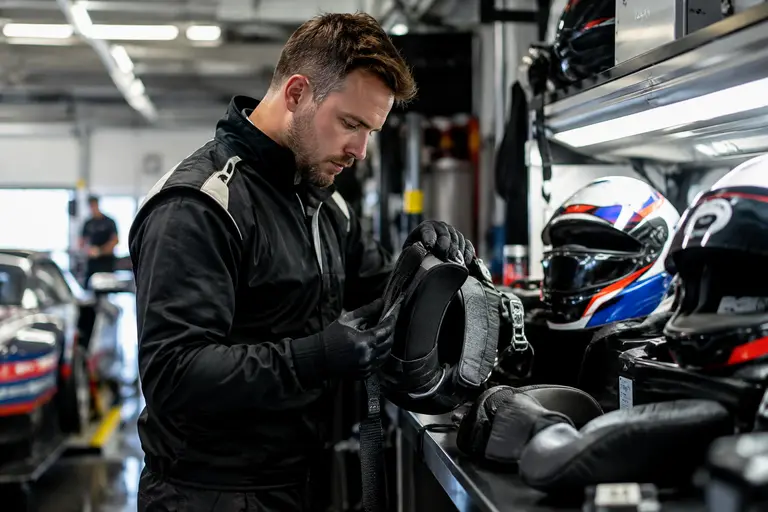
As a gear and maintenance writer, I look at incidents like this through two lenses: the athlete and the equipment routine around the athlete. A pre-race checklist should include more than fuel, tires, belts, radios, and cooling gear. It should also include a simple health check-in: how the driver slept, whether symptoms changed, and who has authority to pause the day if needed.
For grassroots teams, the Riley Herbst concussion is a reminder to make safety gear inspection part of a wider culture of care. Helmets, restraints, seats, and communication equipment need regular attention, but no piece of gear replaces honest symptom reporting. Equipment can reduce risk, while people still have to act on the signs they see and hear.
There is also a personal responsibility piece. Herbst finalized a multi-year agreement to join LEGACY Motor Club for the 2027 NASCAR Cup Series season while recovering, according to the research notes. That shows how a driver can have major career business moving in parallel with health recovery. Racers at every level face versions of that same tension, whether it is work, school, sponsors, family travel, or the next points race.
Balancing Health And Racing With Riley Herbst
The Takeaway For Local Paddocks
By the time Herbst took part in media availability at Darlington Raceway on September 5–6, 2026, the research notes state that he reported no symptoms, said he was fully healthy, and had been medically cleared. That timeline should not be used as a template for another driver’s recovery. It should be read as one documented case where symptoms changed, a race was missed, and clearance came before return.
The topic also stayed relevant after October 25, 2026, when Herbst was involved in a later Talladega Superspeedway crash, according to the research notes. As of October 27, 2026, the provided research did not confirm another concussion diagnosis, so it would be wrong to label it that way. That distinction matters. Racing communities should be careful with language because speculation can add pressure to the athlete and confusion for fans.
For drivers and families working through their own setbacks, the best lesson is steady and practical: tell the truth about symptoms, trust qualified medical review, and keep the team’s support visible. The related discussion on racers bouncing back from injury fits that same mindset: recovery is not separate from racing life; it is part of staying in the sport long enough to keep improving.
Herbst’s 2026 health episode showed how fast a race plan can change when symptoms return. It also showed why a driver’s circle matters. A strong crew, informed family, and patient fan base can help make the hard call feel less lonely. In a sport built on speed, that kind of support gives racers room to protect the one piece of equipment that can never be replaced: the person in the seat.